
Philosophy
There was a moment when form stopped being visual and became structural.
Not as metaphor. As fact. The way a broken bone becomes structural not decorative, not theoretical in the body's awareness of itself.
John Brevard crossed a threshold in his early career that he has never described in an interview. Not because it is private. Because the work is the description.
What happened is this: he came close enough to the end that what exists on the other side of that proximity, the geometry of it, the impossible coherence of it, the silence that is not absence but the opposite of absence could not be unperceived.
He came back changed. Not spiritually. Perceptually.
Sacred geometry stopped being a reference system and became the language he thought in. Not consciously. The way you do not consciously conjugate verbs in your mother tongue.
Wabi-sabi stopped being an aesthetic philosophy and became visceral knowledge. The crack in the surface is not a flaw. It is where the object is most honest. The patina is not age. It is the object finally saying what it is.
Fractals, the mathematics of self-similarity across scale became architecture. The inquiry that produces a 14-centimeter bronze object and the inquiry that produces a private cave temple are not different inquiries. They are the same question at different scales.
This is the practice.
Not a studio with a seasonal release calendar. A single sustained inquiry into what form actually is when stripped of cultural reference, historical quotation, and the need to be understood immediately.
The objects and environments bearing this name are not designed. They are arrived at. Design implies intention preceding form. These works imply form preceding intention. The geometry leading, the maker following, the outcome uncertain until the final moment when it either holds or it doesn't.
Most of the time, it holds.
Sometimes it doesn't. Those pieces are destroyed.
On collectors.
The people who live with this work are defined by a quality of attention, the ability to be in a room with an object that does not explain itself, and to stay.
Most people leave when something doesn't explain itself.
The right collector stays. And eventually, the object begins to speak.
If you have read this far, the conversation may already have begun.

John Brevard architecture and interiors
DESIGN PHILOSOPHY
At John Brevard, design transcends aesthetics—it’s a profound reflection of humanity’s evolving relationship with nature and consciousness.
In our earliest days, humans lived in seamless harmony with the natural world, instinctively connected to the earth and its rhythms. Over time, the rise of self-awareness created a separation, as we began to reflect on, analyze, and dominate our environment. This disconnect has fueled environmental degradation and conflict, dividing humanity from its roots.
Today, we stand on the cusp of a transformative era. A new paradigm is emerging—one rooted in interconnectedness, where the boundaries between man and nature, self and other, begin to dissolve.
John Brevard’s creations embody this evolution, inspired by a deep ecological awareness and transcendent experiences beyond ordinary consciousness. Through art, design, and immersive experiences, Brevard reflects the architecture of consciousness, inviting a harmonious fusion of humanity and nature—a glimpse into an integrated and enlightened world culture.
Crafted with intention. Designed to inspire. Built for connection.
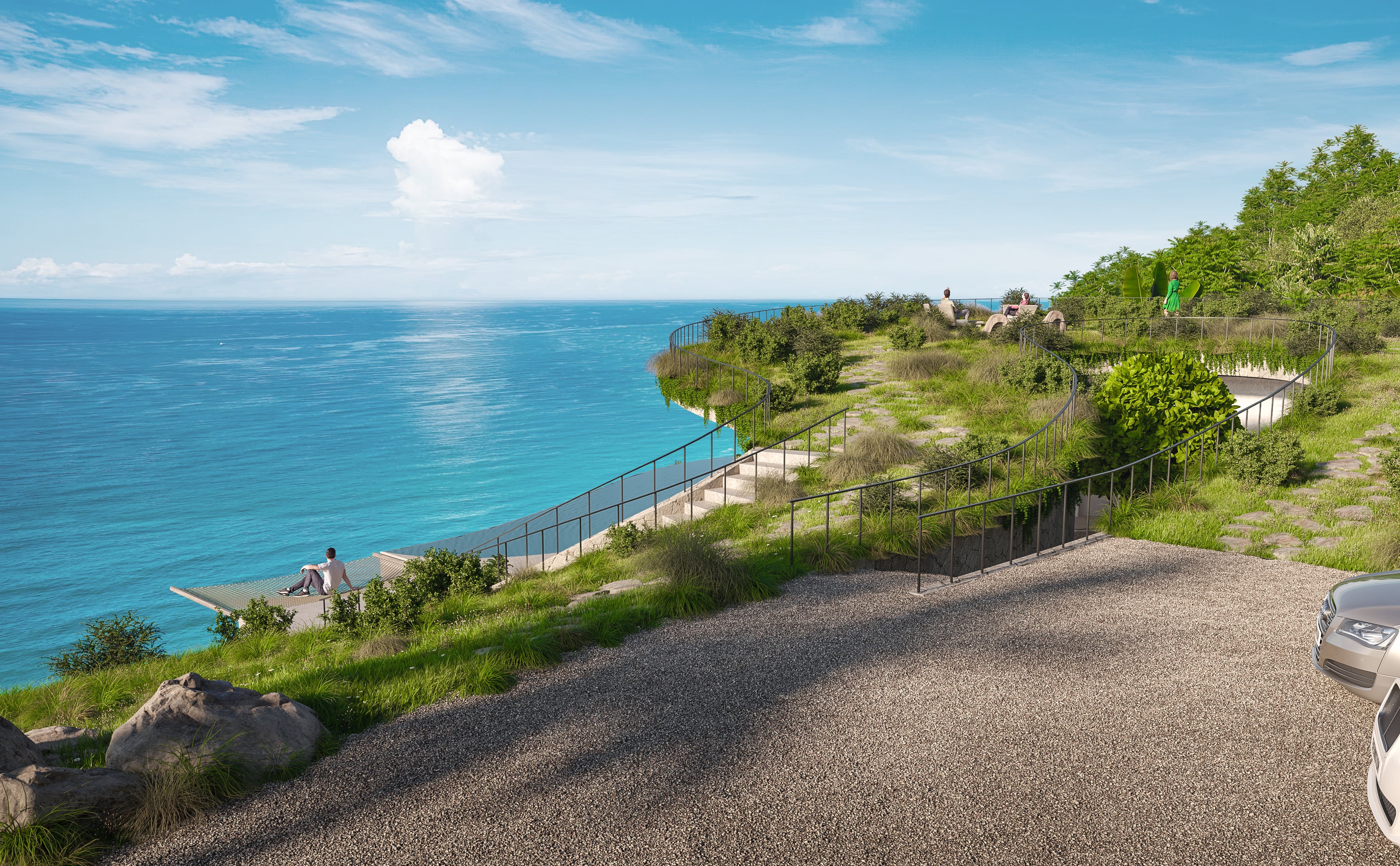
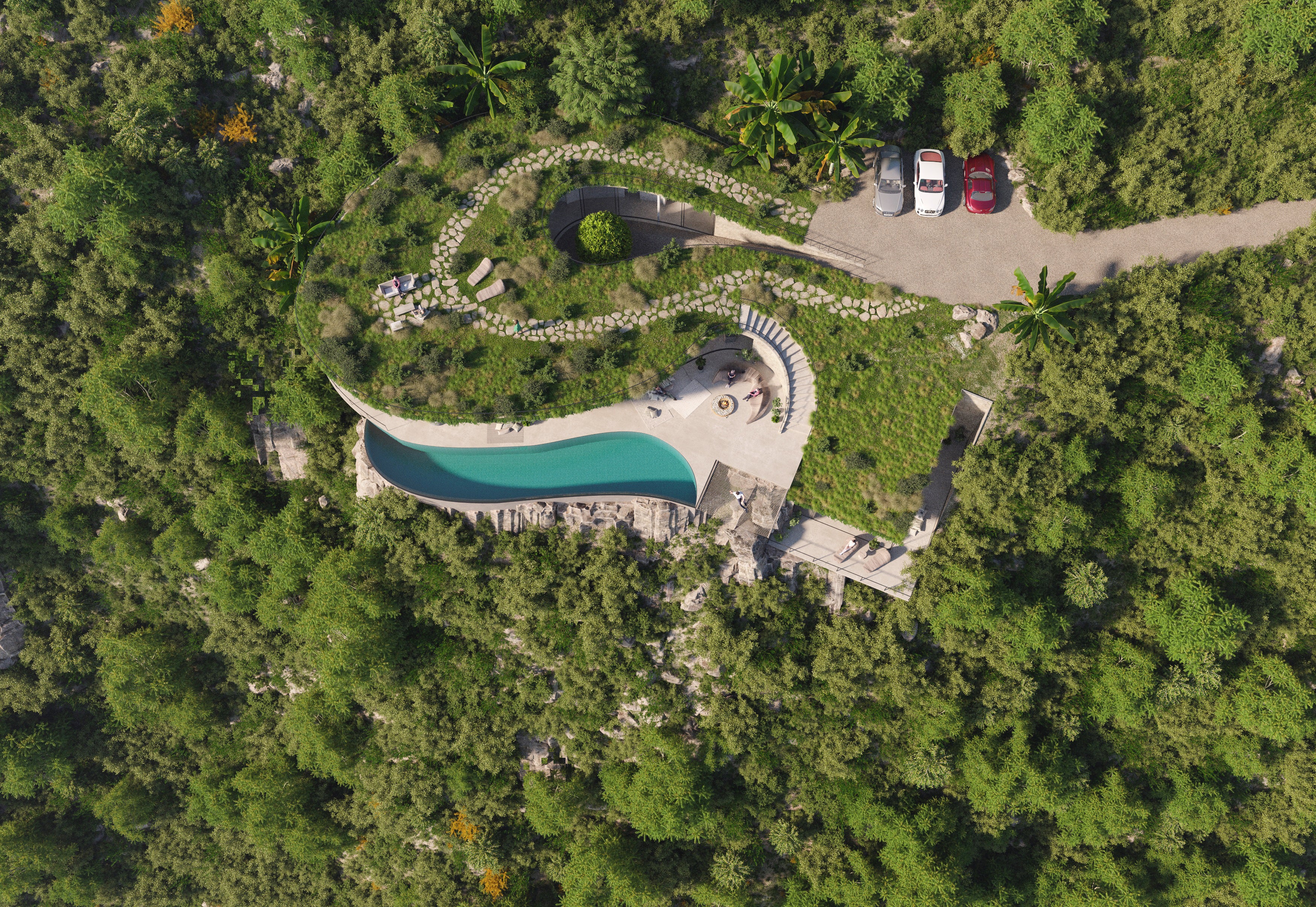
British Virgin Islands
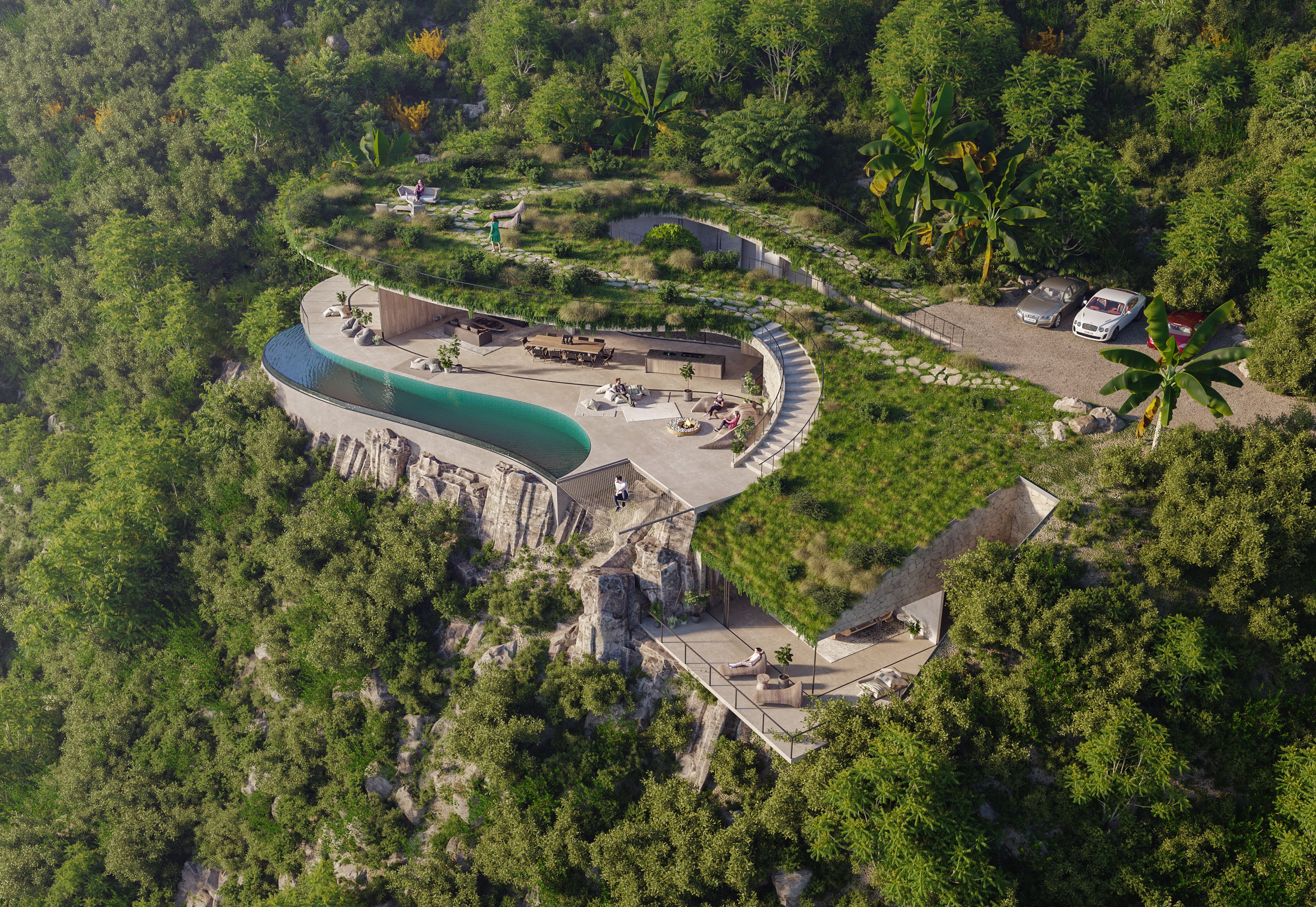
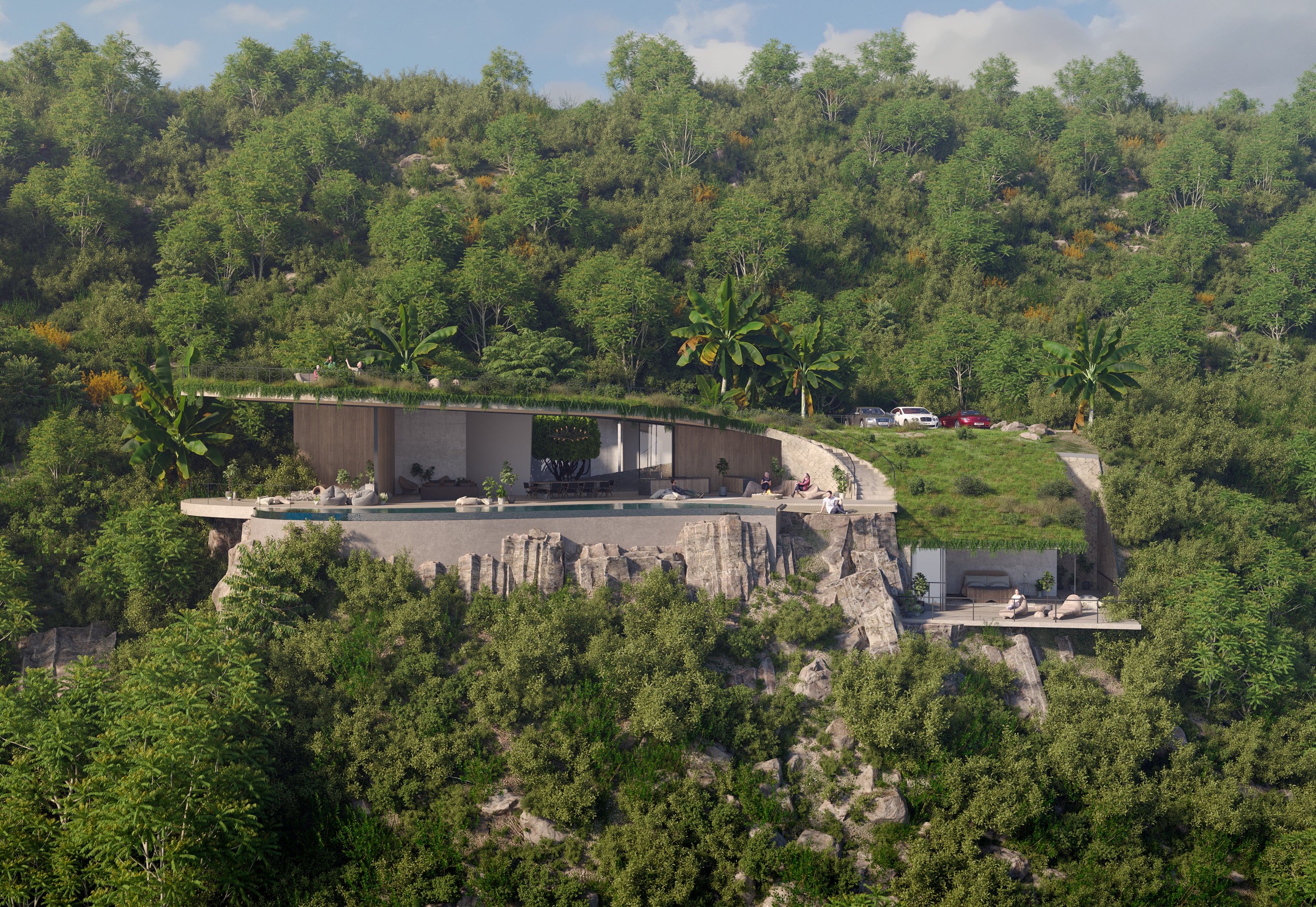
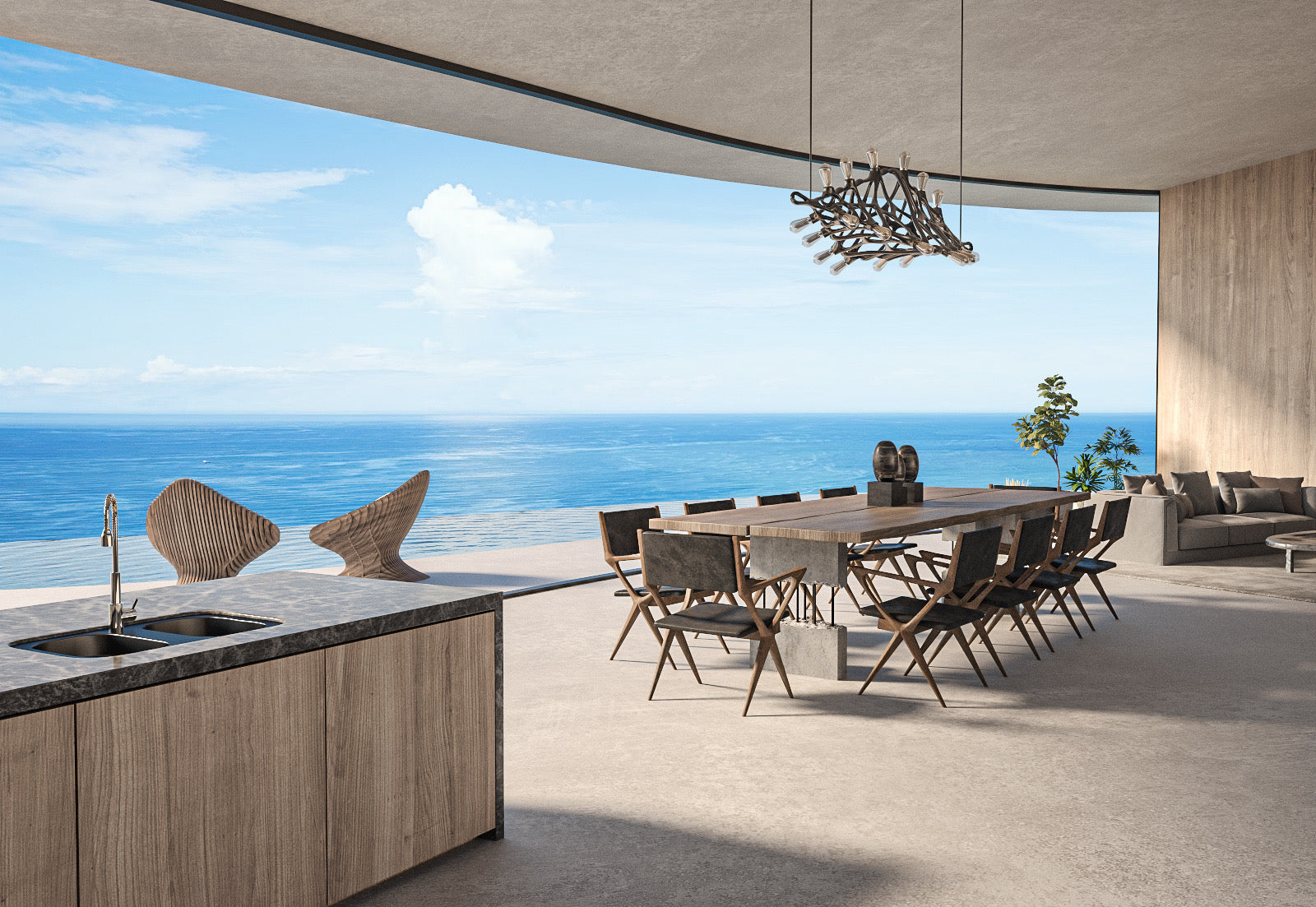
ISLAND HOMES
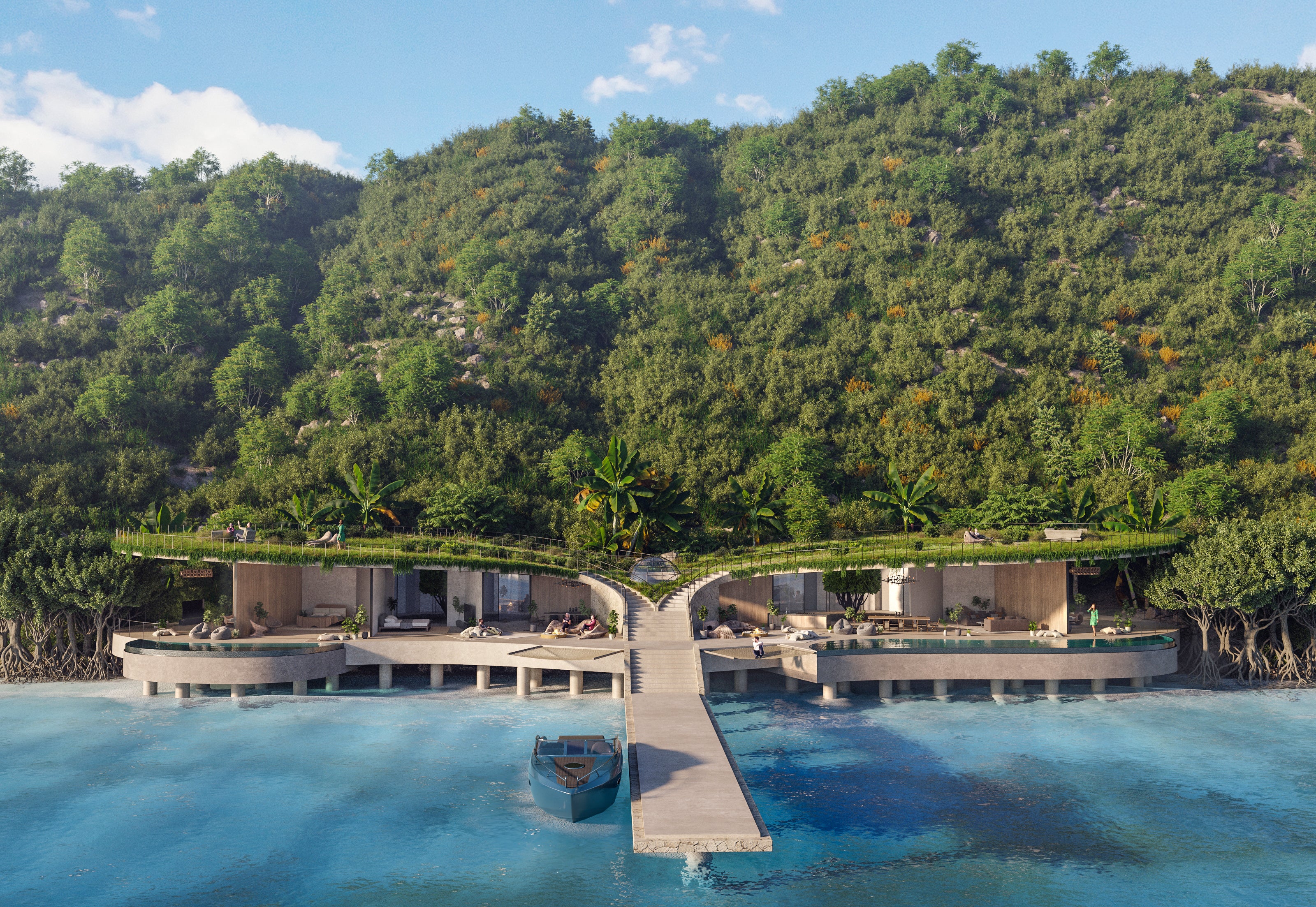
USVI
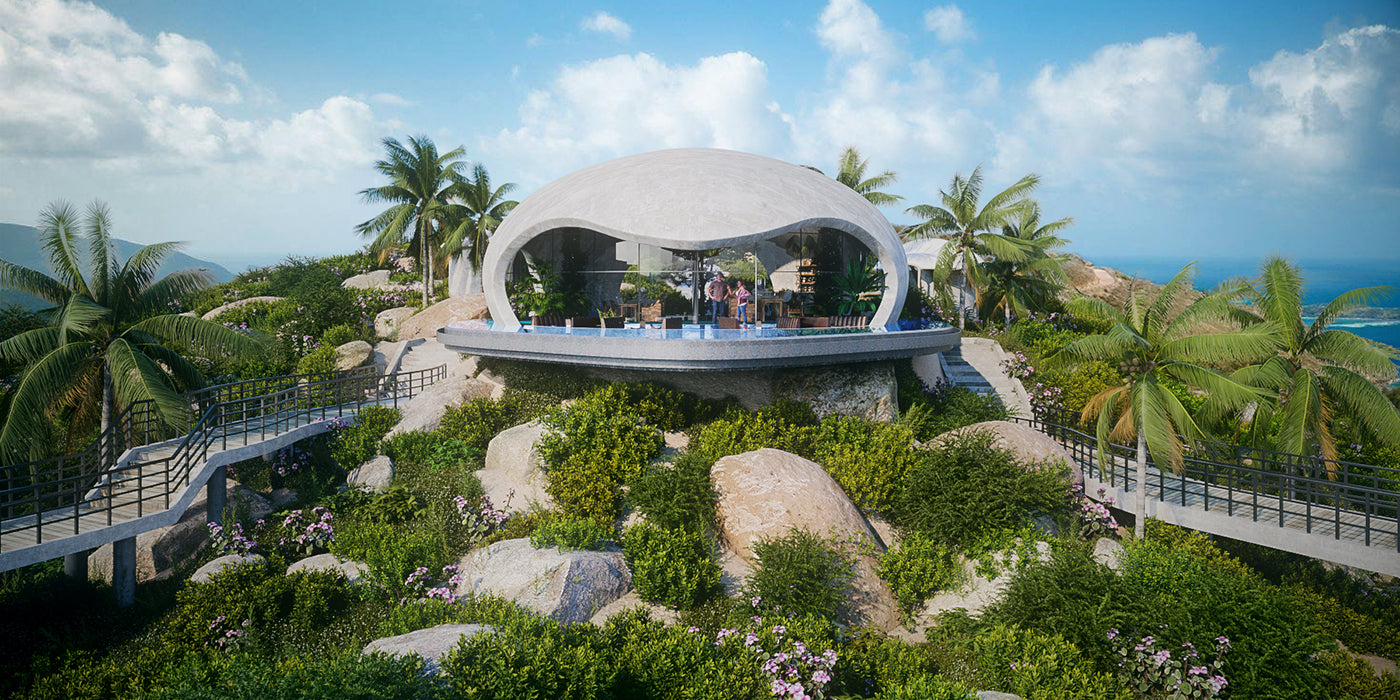
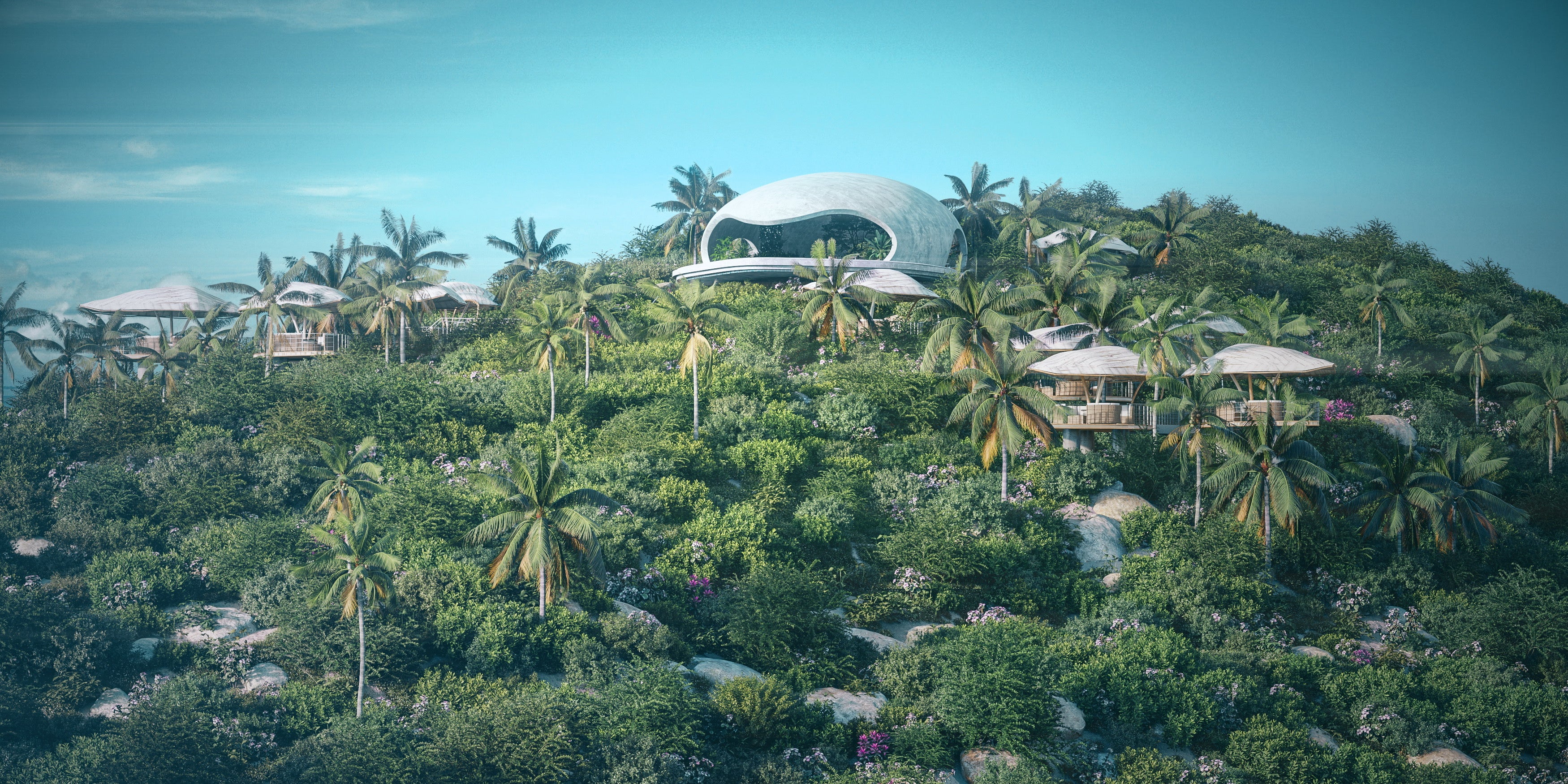
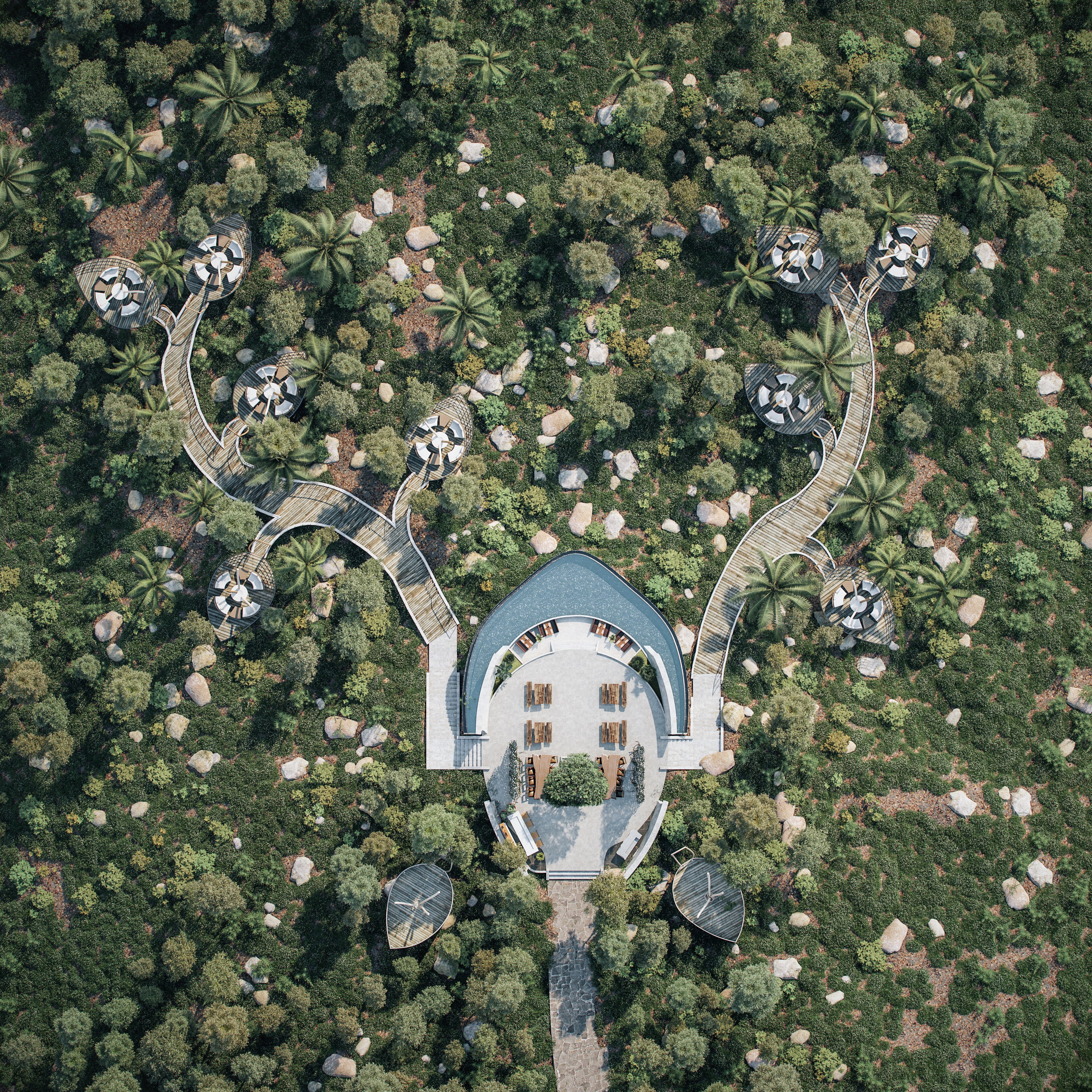


HELIX BUNGALOW
Experience the Brevard Helix Bungalow, a masterpiece of modern architecture and timeless charm. Designed with a unique spiral layout, it maximizes space, natural light, and your connection to the surrounding environment. Crafted from sustainable materials and adorned with luxury finishes, this home offers an elevated blend of comfort and sophistication. Assembled in just one week, it’s perfect for those who desire a harmonious lifestyle that unites nature and modern living.
Contact us today at info@johnbrevard.com to begin your journey to a bespoke home that reflects your vision.
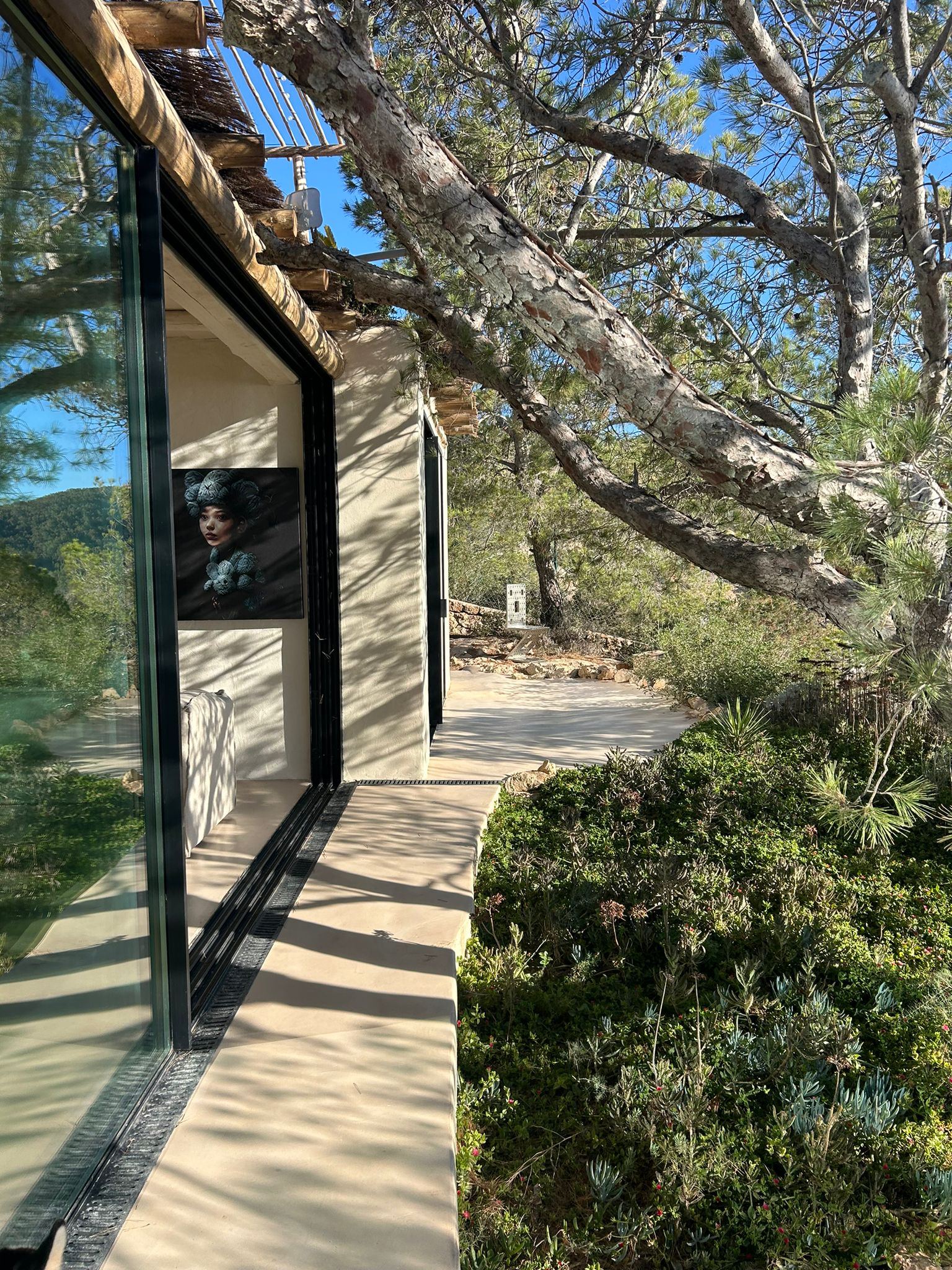
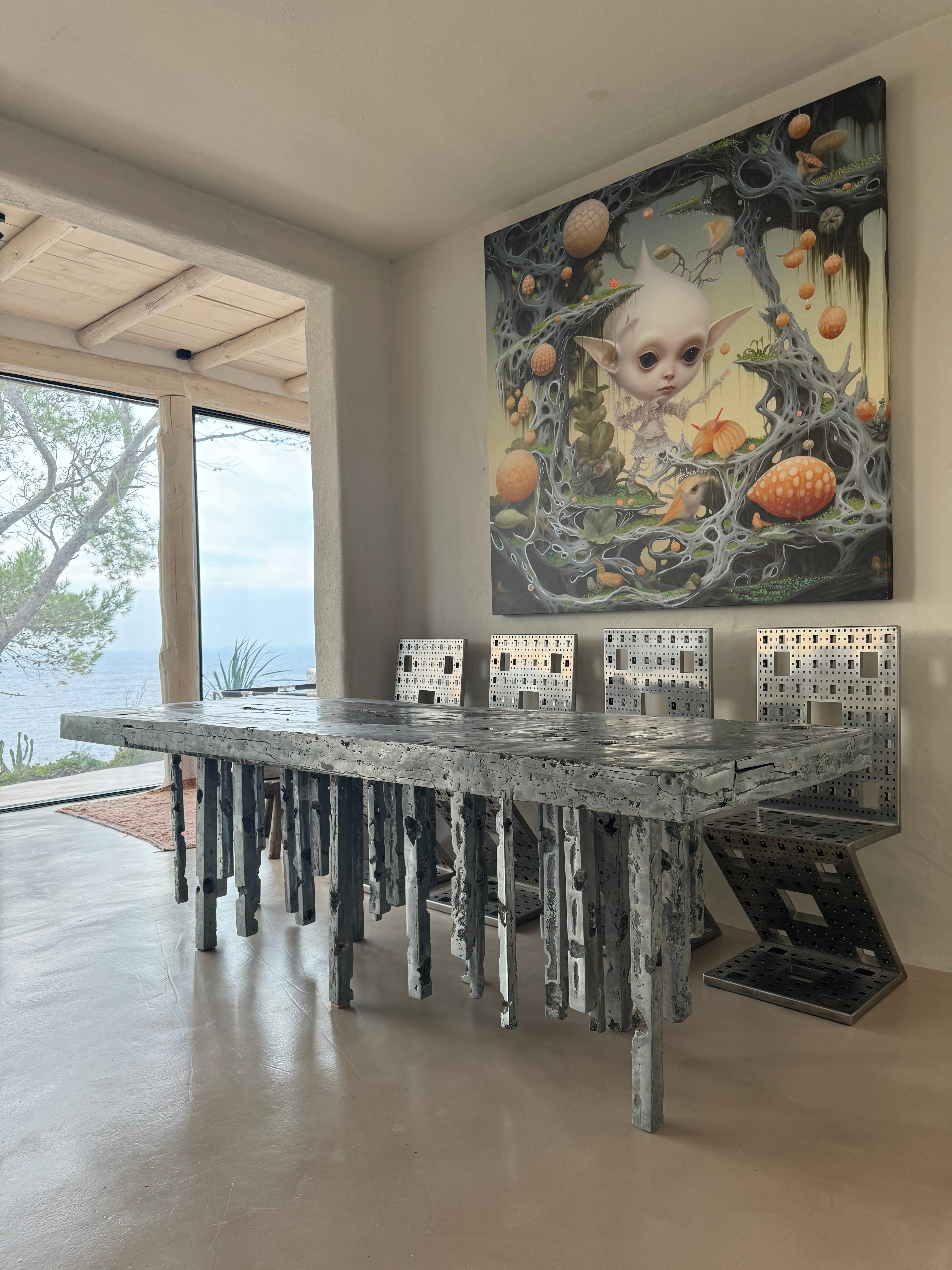
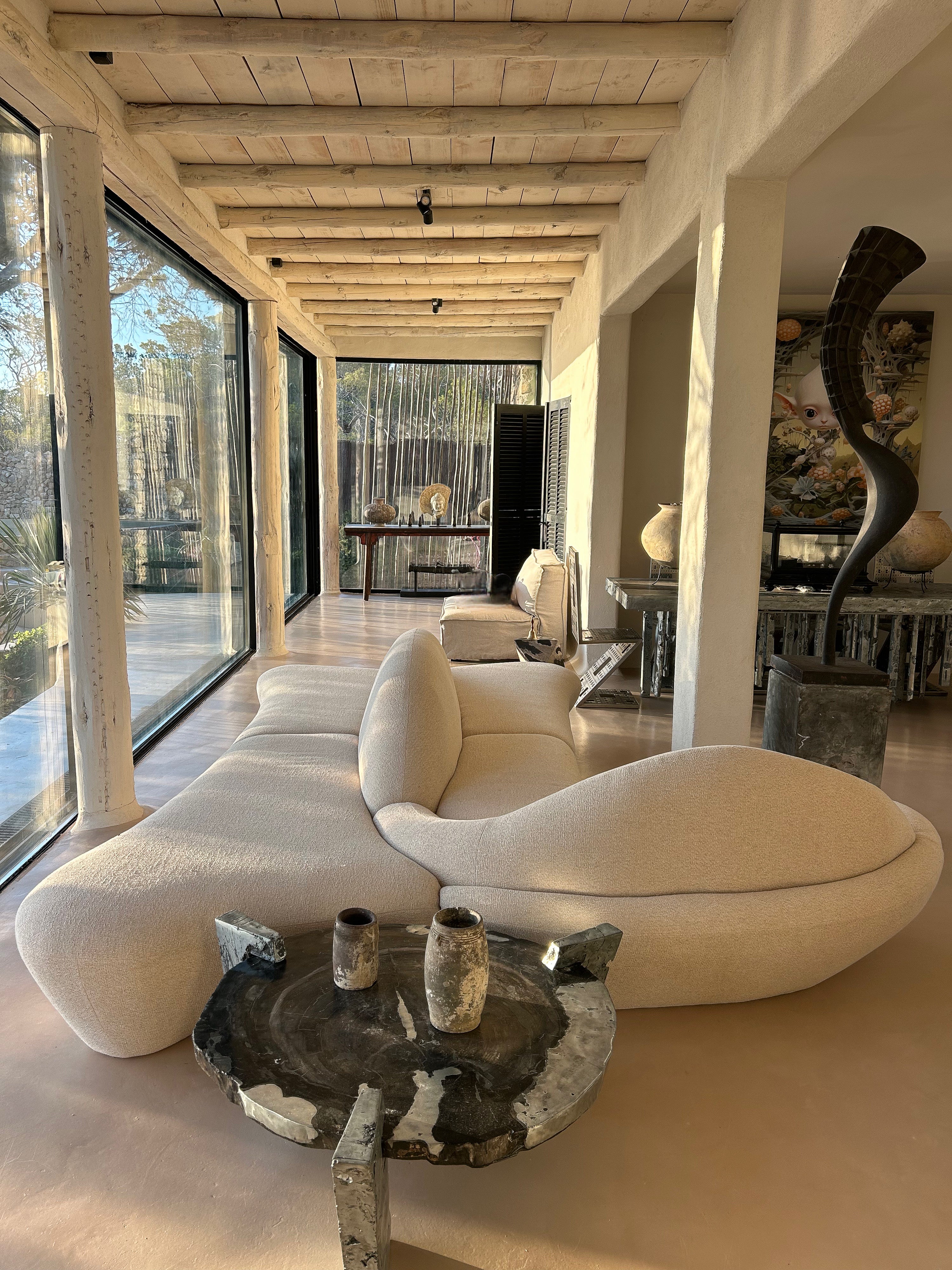
Ibiza
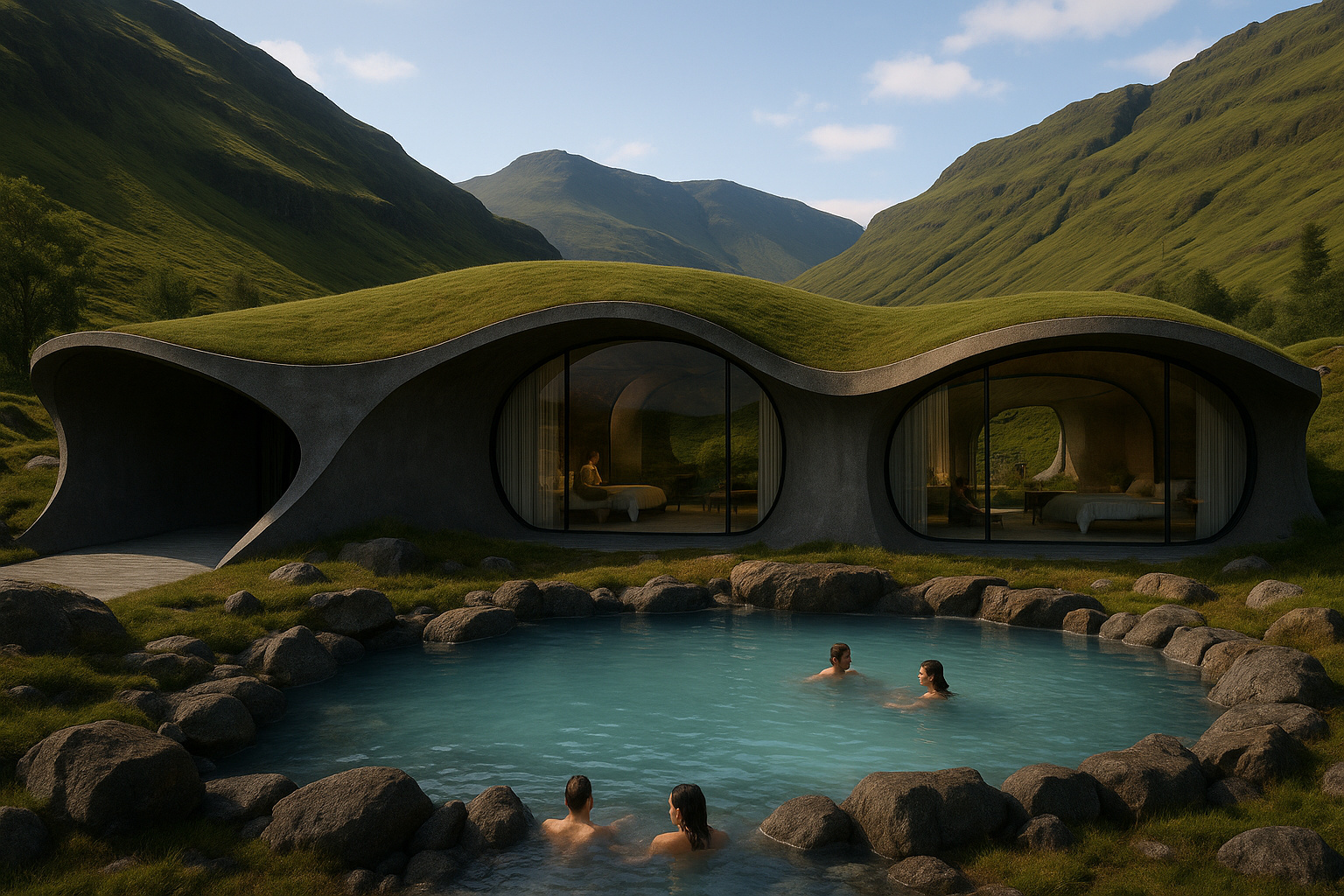
Iceland
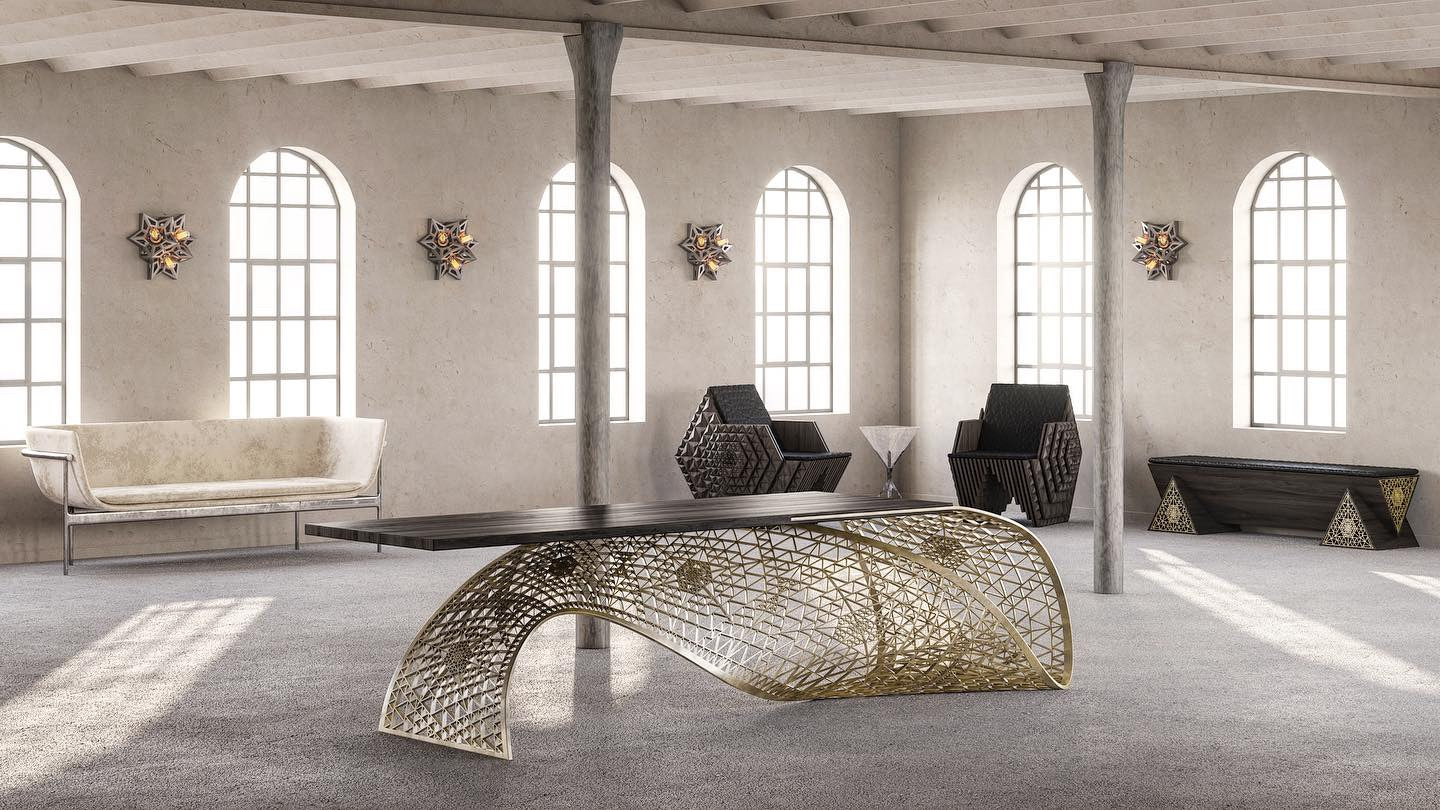
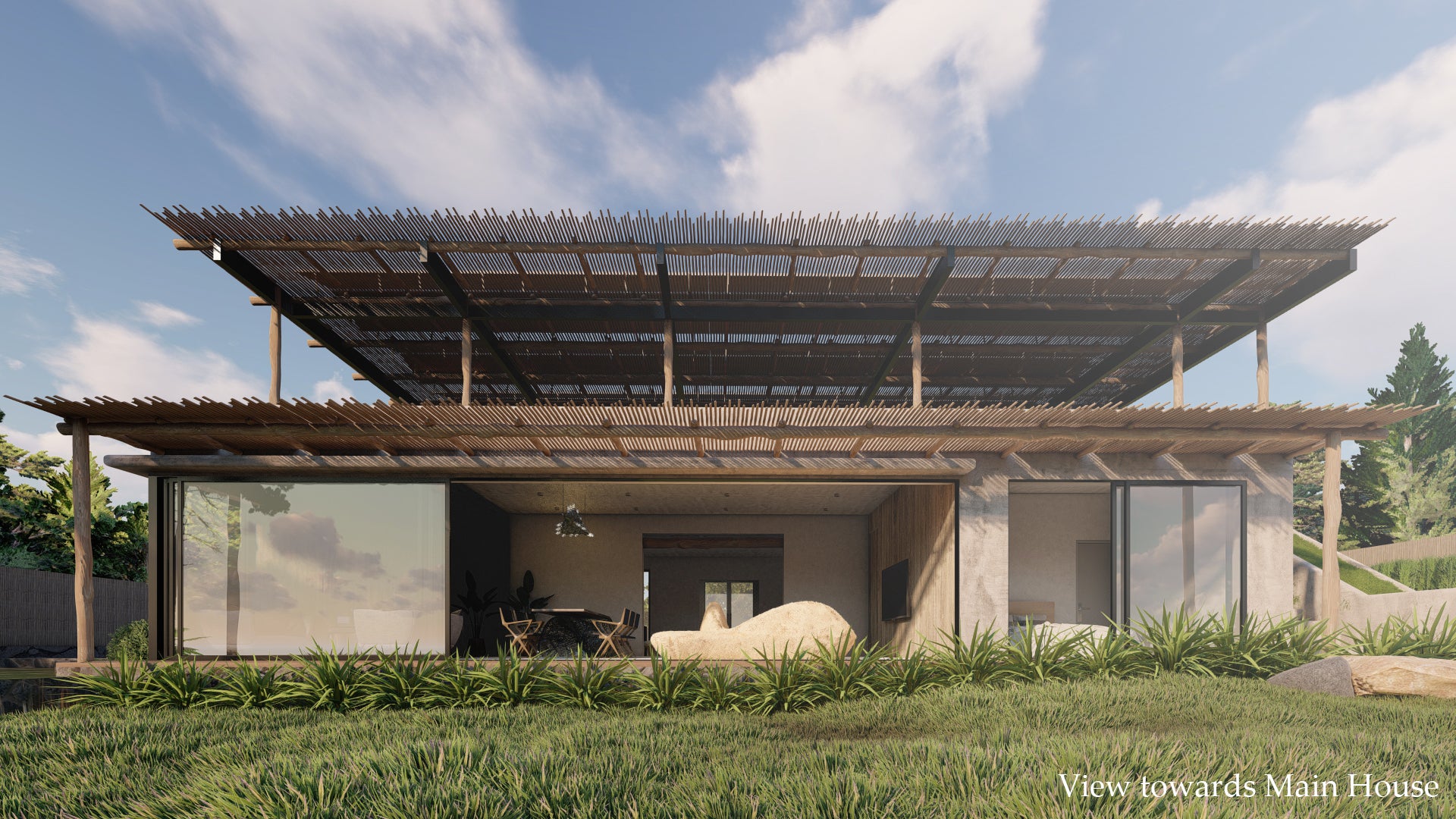
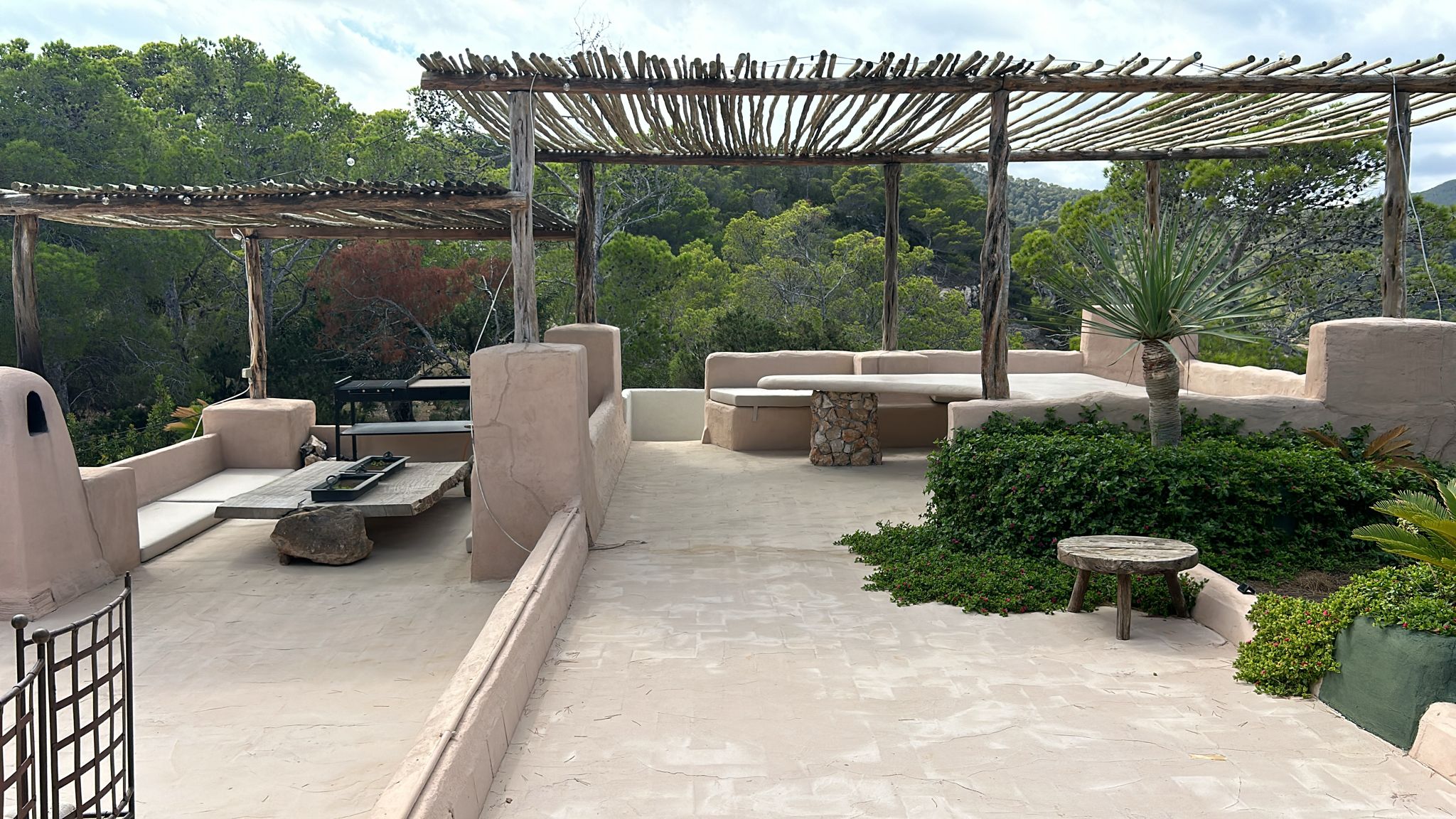
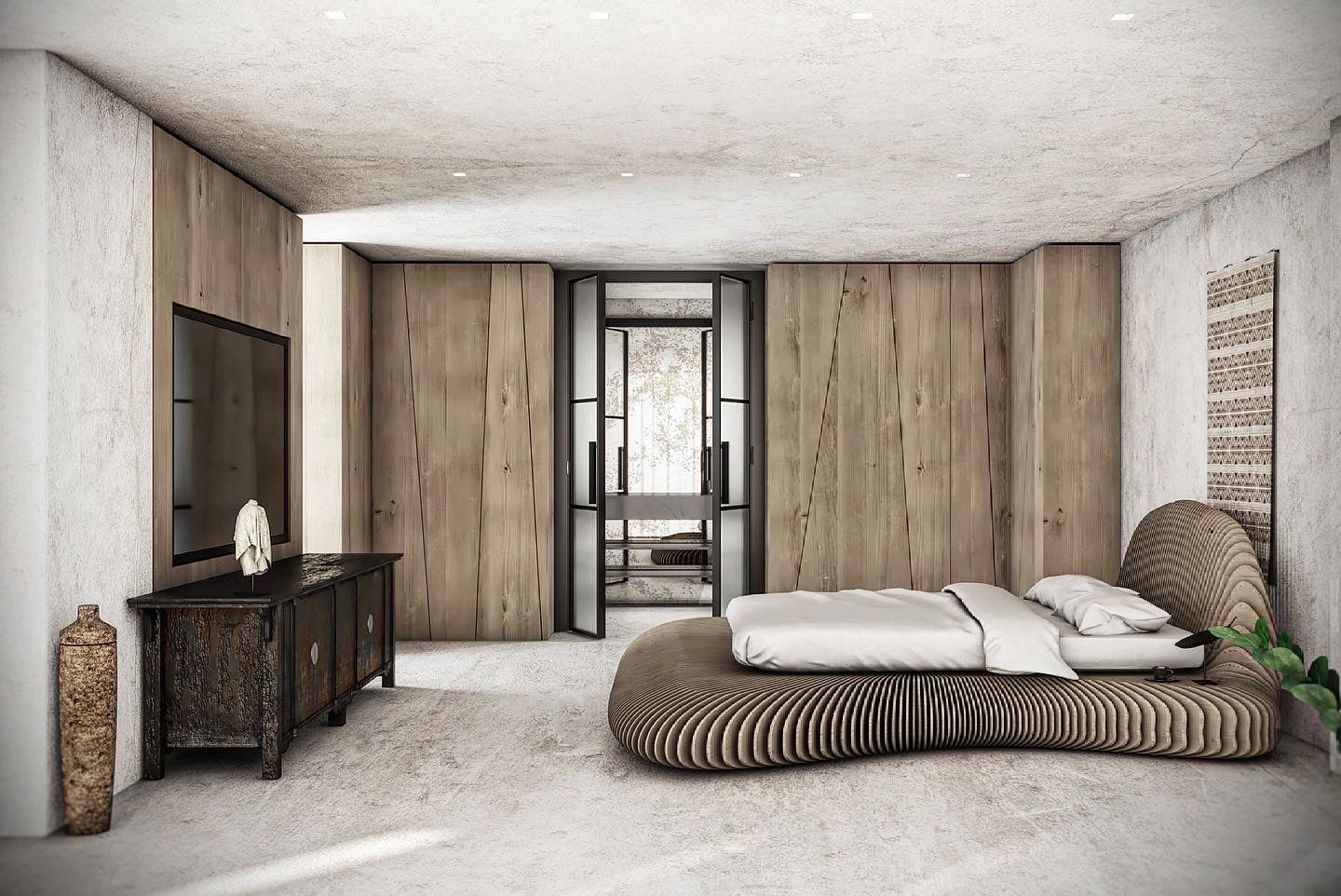
Custom Arch & Interiors
Whether interiors or interiors, every detail is top of mind
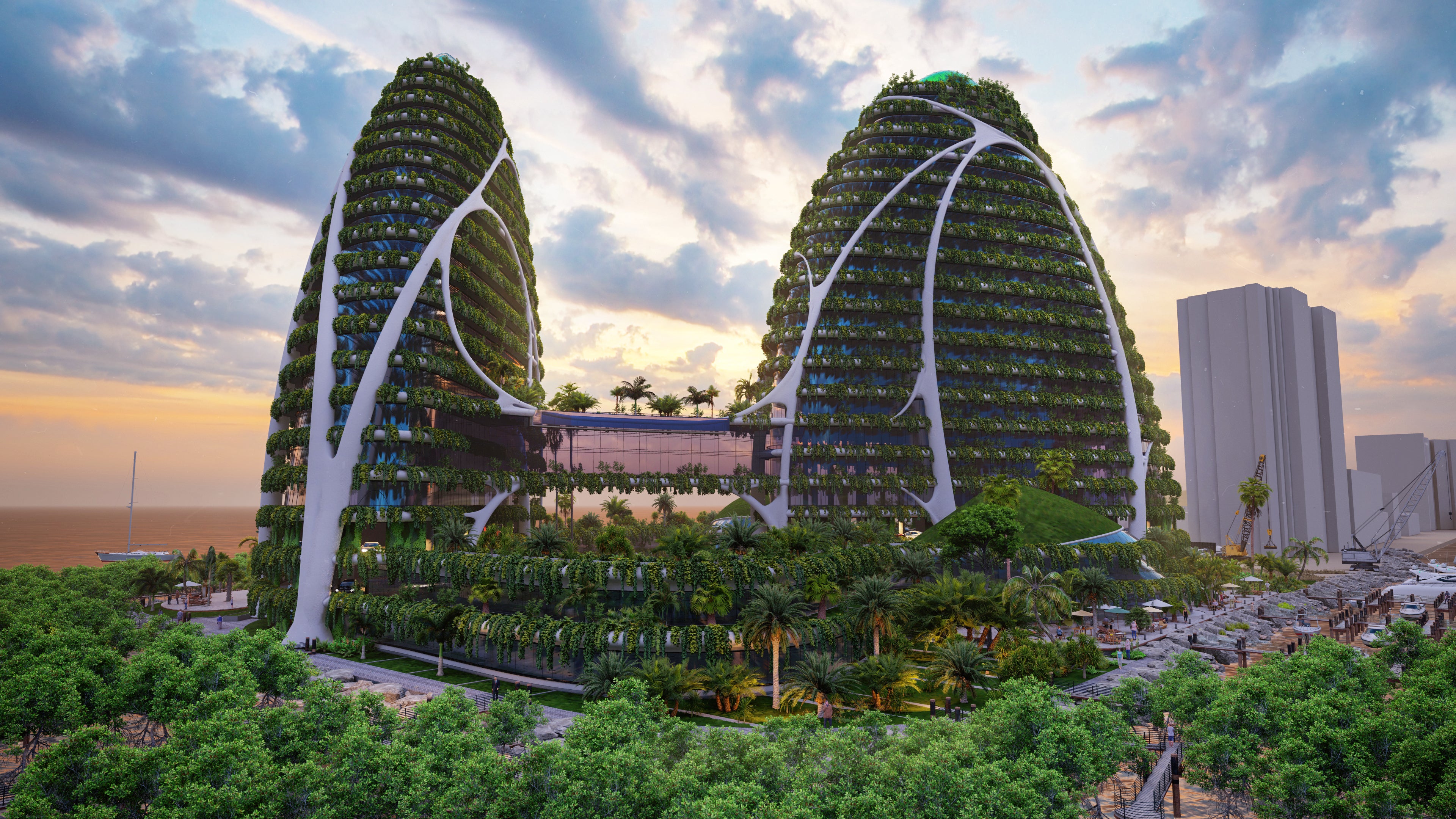
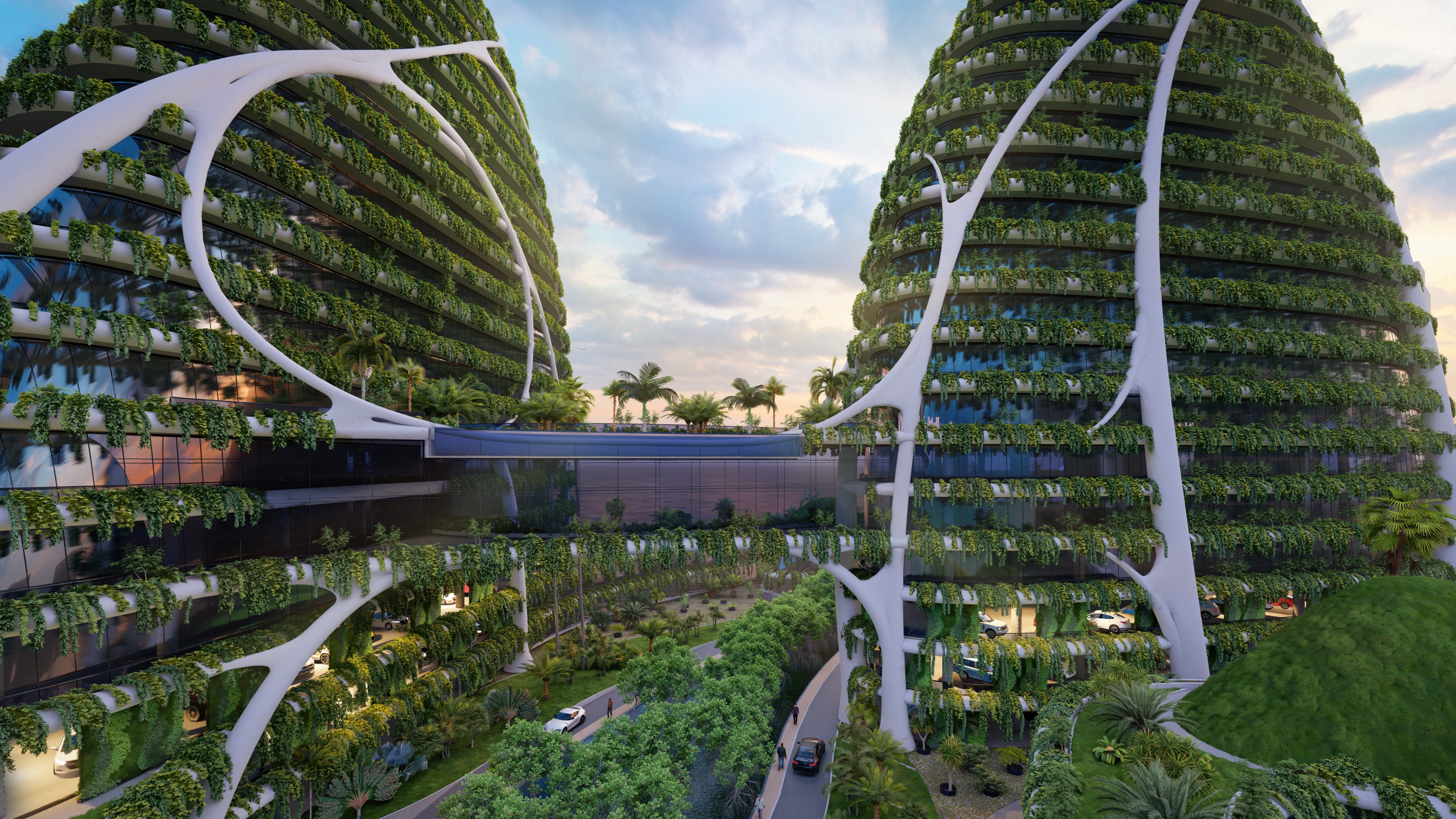
Mangrove Bay Miami Beach

curated sacred spaces
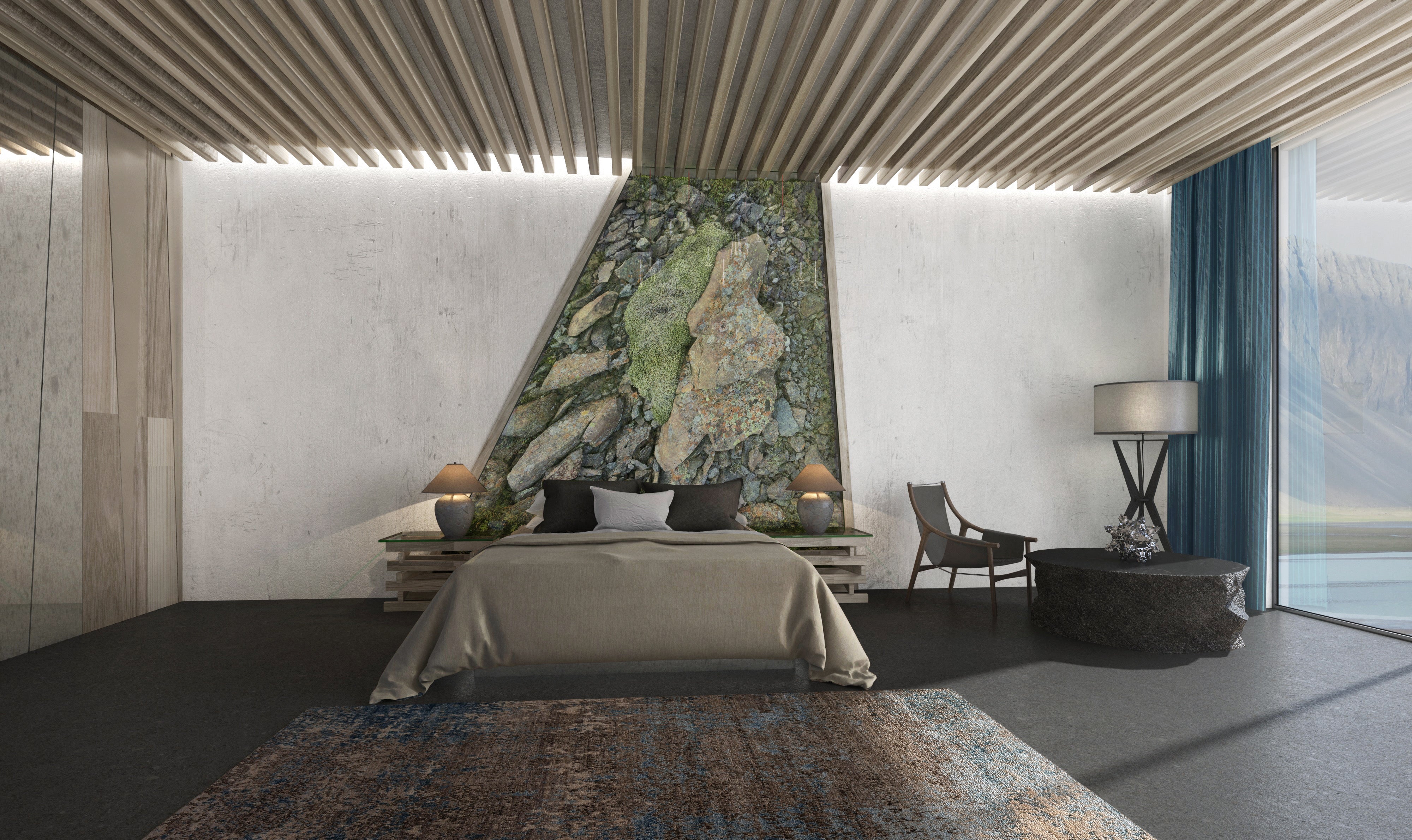
Iceland
At Brevard Studios, we create sacred, temple-like spaces that elevate the energy of those who inhabit them. Rooted in Wabi-Sabi simplicity and respect for natural imperfection, our work is paired with contemporary construction methodologies and advanced building systems. The result is architecture that feels timeless, grounded, and alive—spaces designed not just to be lived in, but to enhance clarity, presence, and energetic coherence within Iceland’s powerful natural landscape.

OUR STORY
B R E V A R D
There was a moment
he was fourteen, when everything stopped.
Not metaphorically. The memory erased. The self, as it had been constructed, went quiet. What came back was different: a perception of the world reorganized around structure, frequency, and the intelligence embedded in natural form.
He did not choose sacred geometry. It chose him or more precisely, it was already there, waiting to be recognized in the silence that followed.
What followed that silence was a life spent making the invisible legible. Objects that carry the mathematics of living systems. Spaces that change how a body feels to inhabit. Work that begins where decoration ends.
Since 2007, that work has been shown at Nilufar Gallery Milano, Art Basel, Galeria Philia, and Studio 27. It has appeared in Vogue, Forbes, and Vanity Fair. It is worn, collected, and lived inside by people who require more from a room than beauty.
John Brevard is a member of the CFDA.
He works between Ibiza and Iceland.
He takes on a small number of commissions each year.
→ Begin a conversation