게시글: Aspen
Aspen

Architecture in the geometry of altitude.
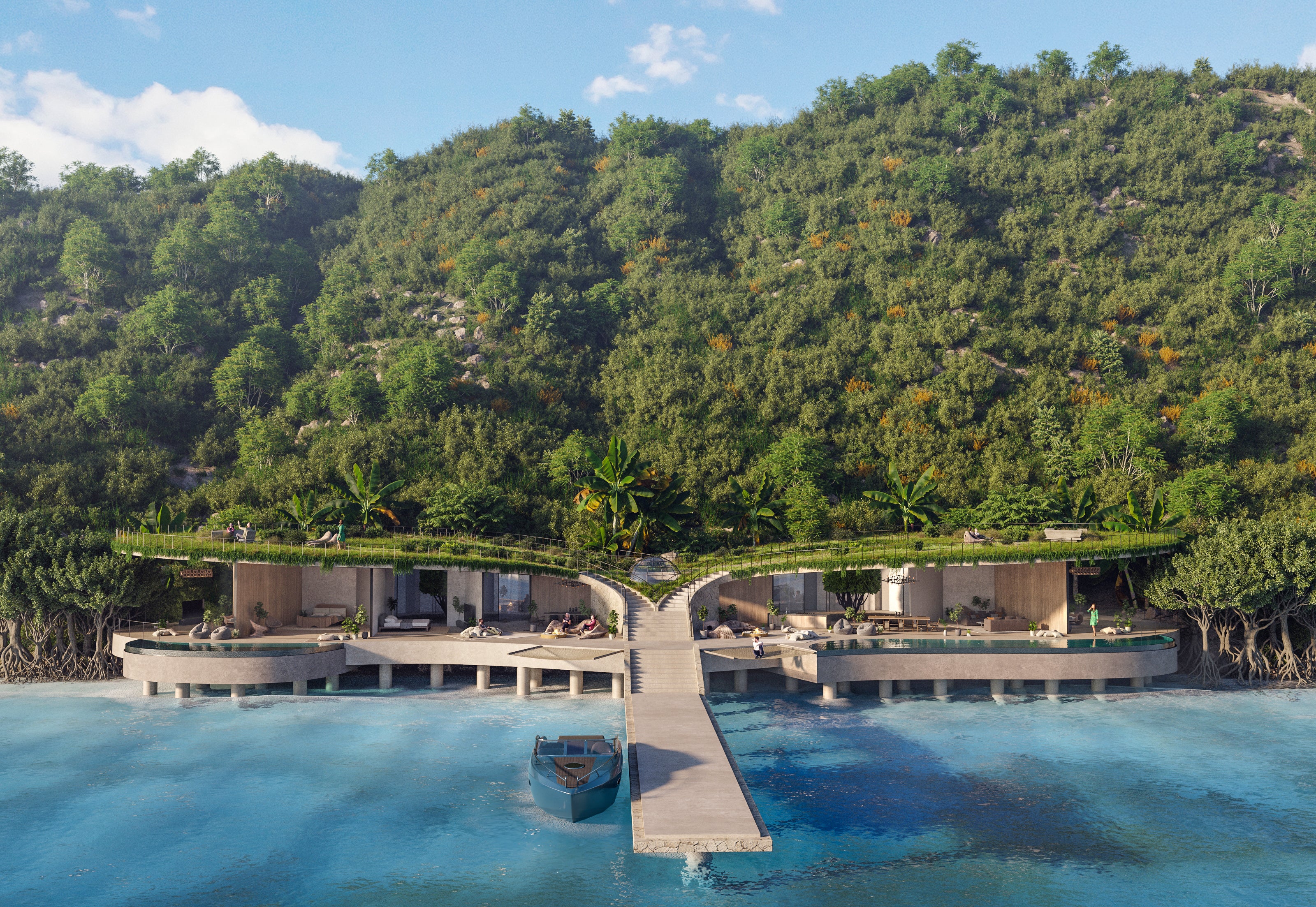
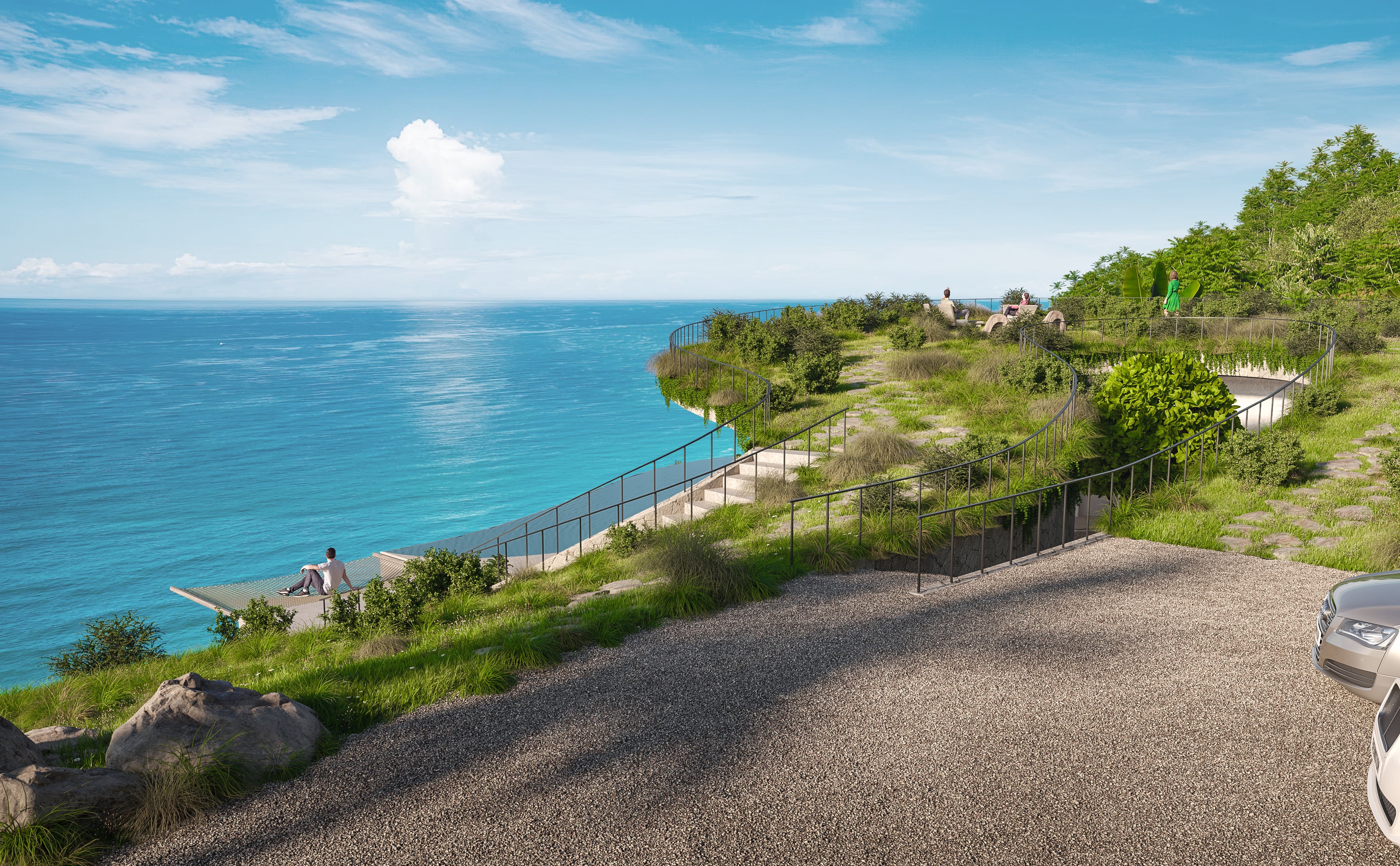
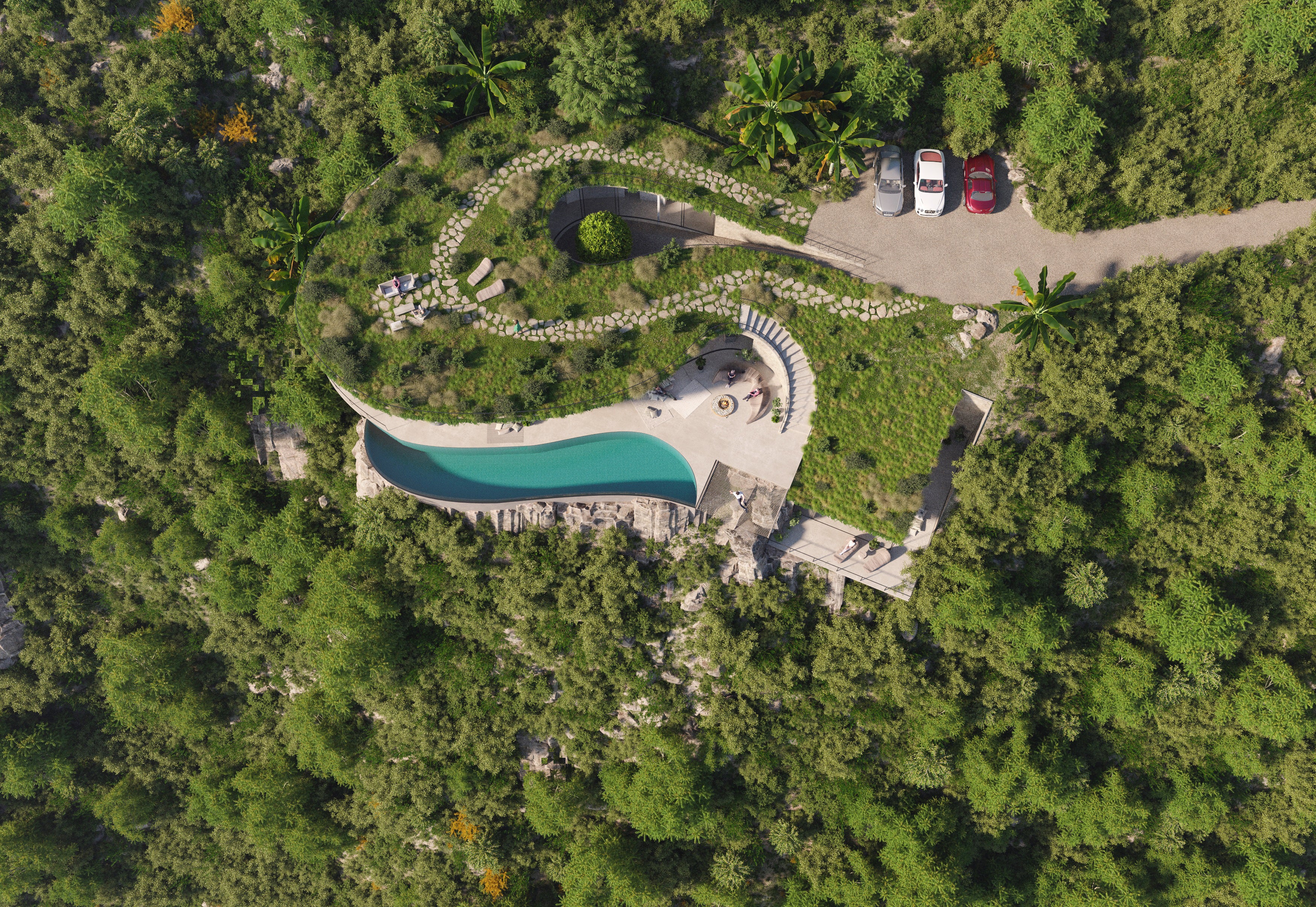
Aspen is a place that has been built over so many times by so many different ideas of luxury that finding the genuine architectural proposition underneath requires excavation. The mountains are real. The light is real. The particular quality of snow at this altitude, the way it absorbs sound and transforms the acoustic character of outdoor space, the way it reflects light upward so that illumination comes from below as much as above — these are real conditions that genuine architecture responds to. Everything else is decoration.
The Aspen project begins by setting aside everything that Aspen architecture has conventionally been. The log and glass fantasy. The imported European chalet aesthetic. The aggressive contemporary statement that uses the mountain as backdrop for an object that would look the same in any other landscape. None of these approaches asks the right question. The right question is what this specific site, at this specific altitude, facing this specific aspect of this specific mountain range, actually requires.
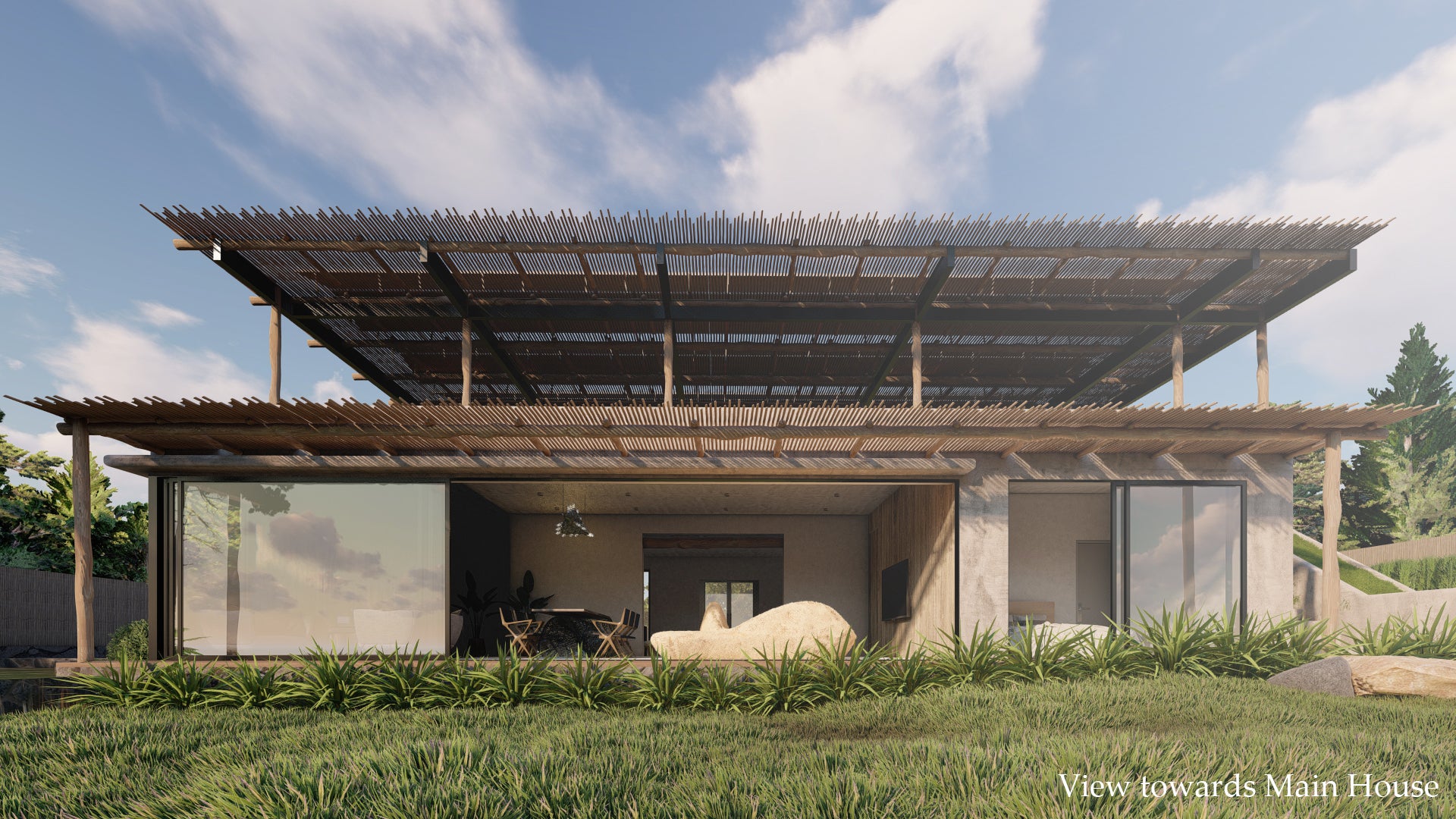
The site faces east. Morning light in the mountains at this altitude is unlike morning light anywhere else. It arrives suddenly, fully formed, with an intensity that the lower atmosphere filters out before it reaches sea level. The architecture is calibrated to receive this light without being overwhelmed by it. Deep overhangs. Carefully proportioned apertures. Interior surfaces that distribute rather than concentrate the light as it moves through the day.
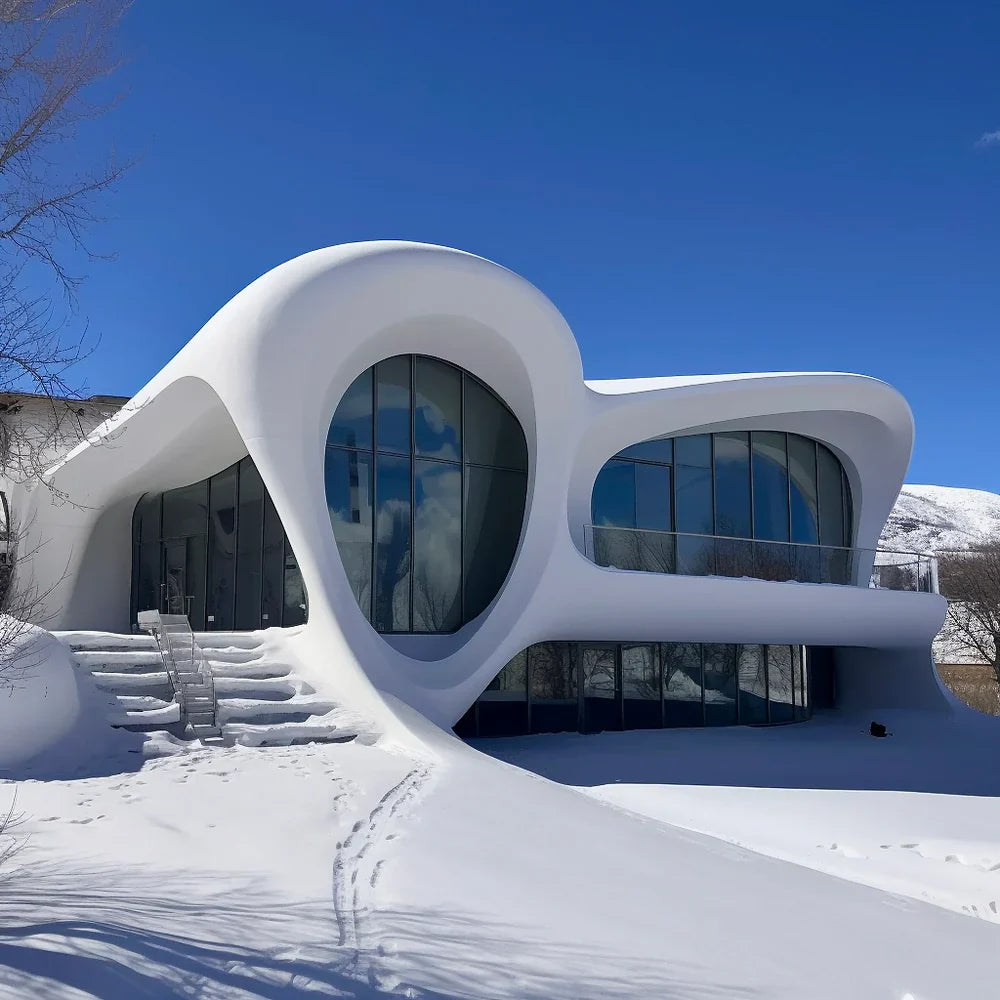
Snow is not treated as a seasonal condition to be managed. It is treated as a material that the architecture incorporates. The profile of the building is designed to carry snow in specific ways, to allow it to accumulate where accumulation is beautiful and to shed it where accumulation would be problematic. The relationship between the built form and the snow that covers it for half the year is as considered as the relationship between the built form and the rock it sits on.
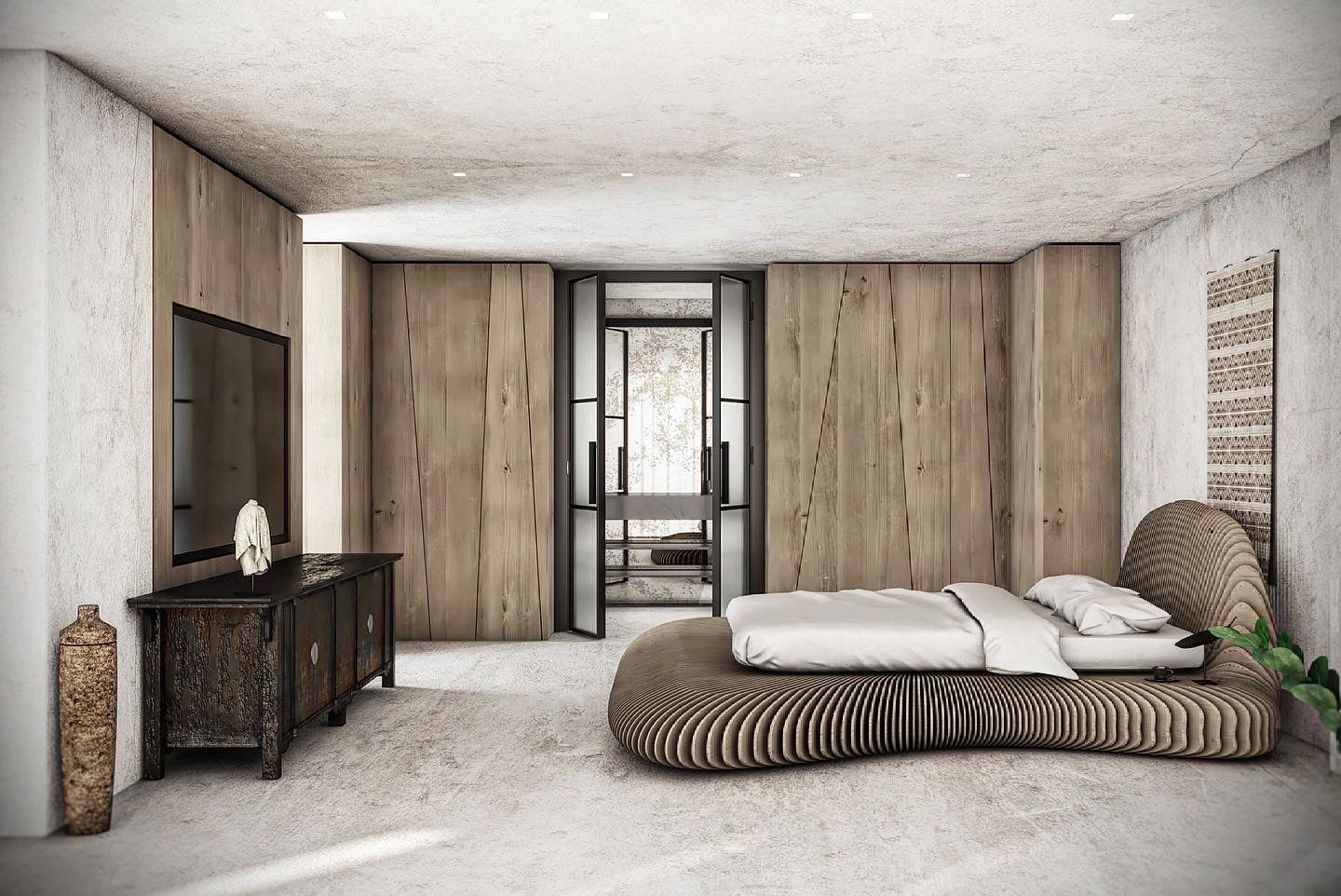
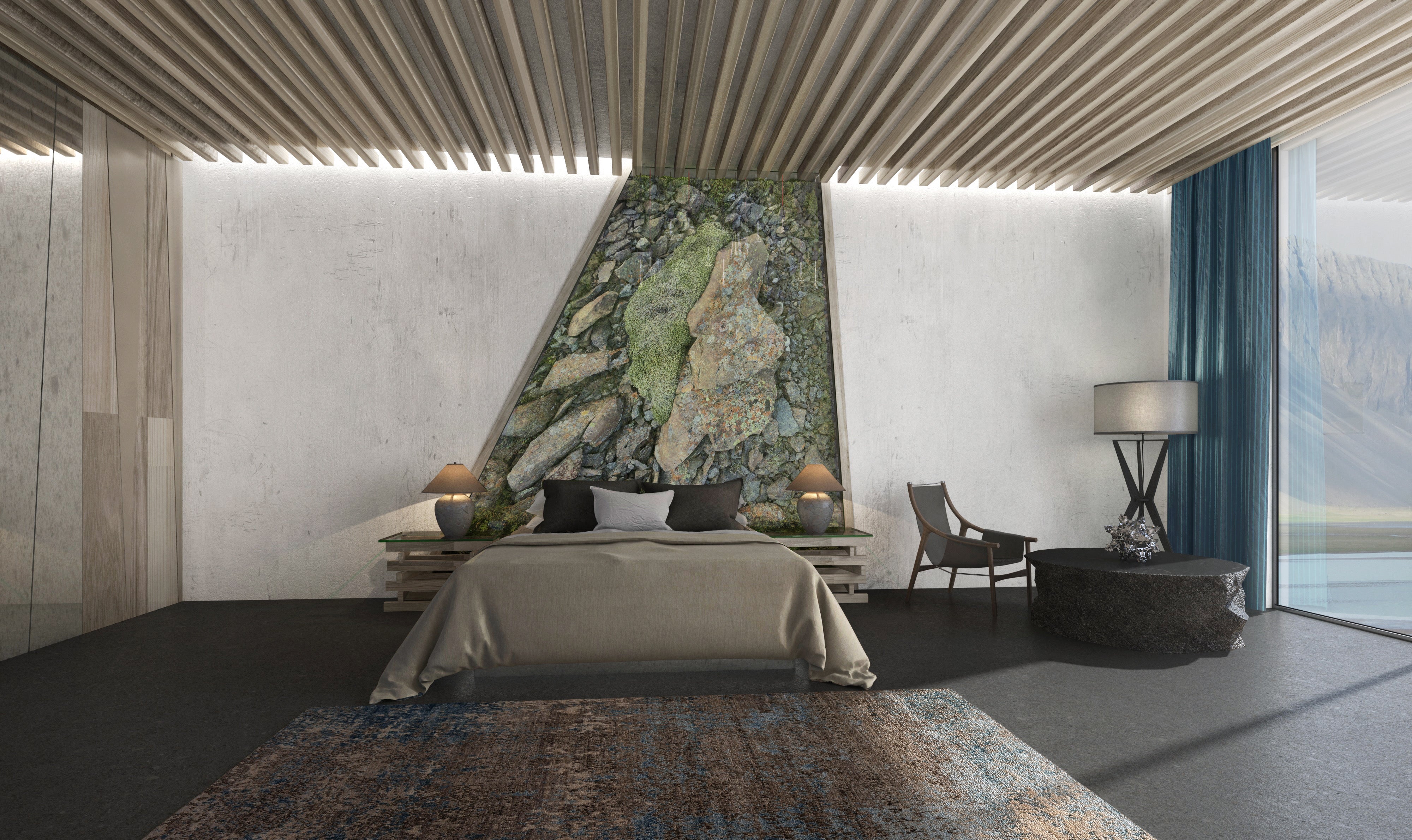
Timber is the primary structural and finish material. Not as a stylistic reference to mountain vernacular but because timber at this altitude, in this climate, behaves in ways that no other material does. It moves with the temperature. It responds to humidity. It carries the memory of the forest it came from in its grain and its smell and the particular way it ages in mountain light. A timber building in Aspen in winter smells like no other place on earth.
The interiors are organized around a central hearth that is not decorative but functional, not a feature but an organizing principle. Everything in the interior is in relationship to the fire. This is how human beings have organized domestic space in cold climates for as long as there have been human beings in cold climates. The geometry of the project is contemporary. The organizing logic is ancient.
This is architecture for people who came to Aspen for the mountain and stayed for what the mountain does to time.

John Brevard 작성