The Future of Collectible Design
The Future of Collectible Design: When Objects Become Oracles
Something has shifted. You can feel it in the rooms of the people who collect seriously — not the ones who buy for status, but the ones who buy because they cannot help themselves, because something in an object called to them before they could articulate why.
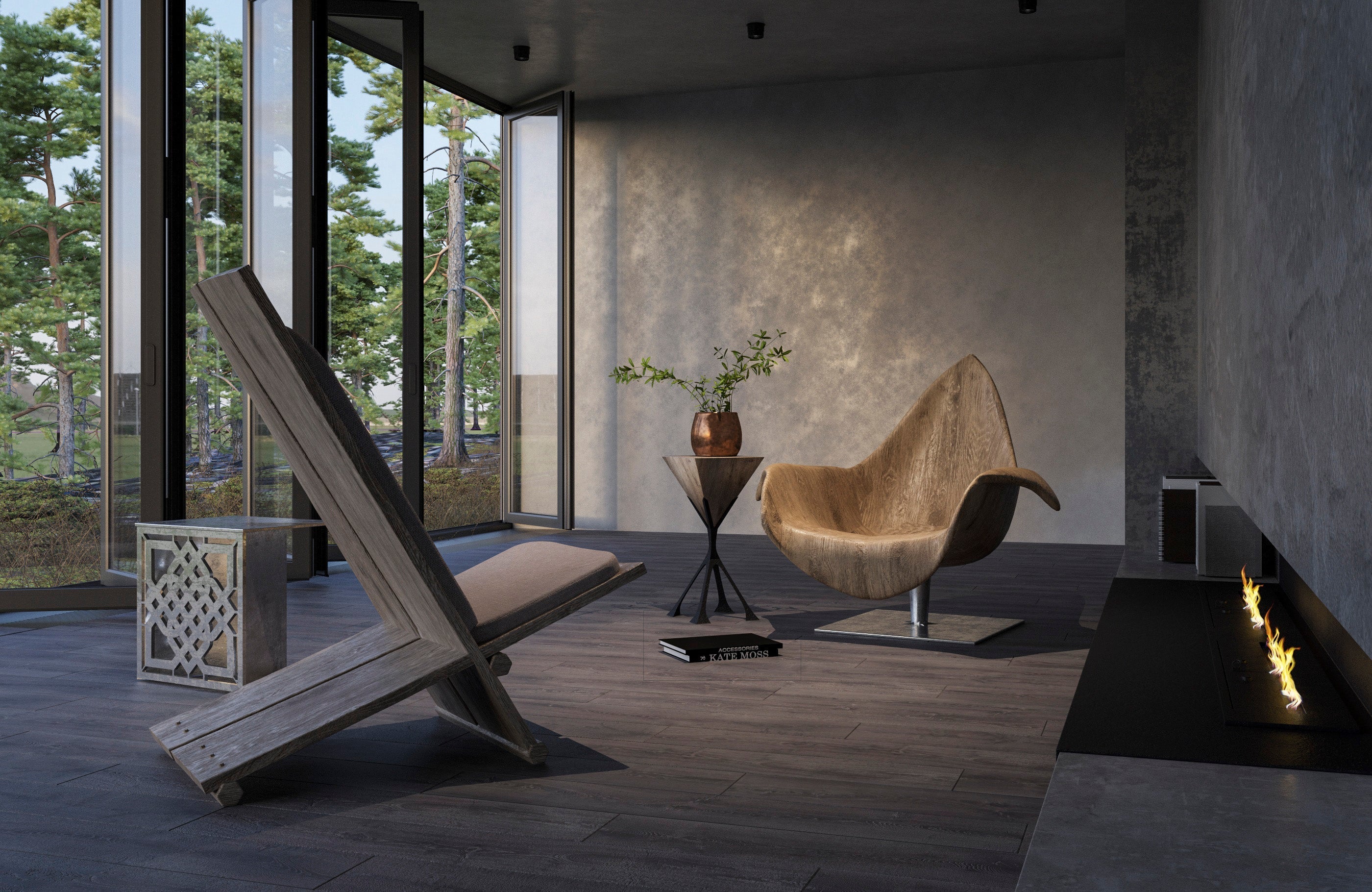
Those rooms feel different from the ones styled for a magazine shoot. They have weight. They have silence in them even when they are full of people. The objects in them do not perform. They simply exist, with a kind of authority that accumulates over time rather than announcing itself immediately.
That quality — whatever it is — is what the most interesting design conversation of the next decade will be about.
Beyond the Formula
The collectible design market built itself on a logic that worked for a long time. A known name. A limited run. An unusual material or an arresting form. Auction results as cultural validation. The object as trophy, as investment, as proof of taste.
This model has not collapsed. But it has begun to feel thin to the people who matter most — the collectors who actually live with their objects, who wake up next to them every morning, who know within six months whether something has deepened or merely faded.
What they are looking for now is harder to name and harder to fake. It is not more complexity or more rarity or more critical attention. It is something closer to truth. An object that means what it appears to mean. That was made with the full weight of someone's intelligence and care. That has something inside it beyond its surface.
What Nature Already Knows
I keep returning to the same observation. The patterns that appear most consistently in the natural world — the spiral of a nautilus, the branching logic of a river seen from altitude, the way a fern repeats its own structure at every scale from the whole frond down to the smallest division — these are not beautiful by accident. They are beautiful because they are efficient. Because they represent the most intelligent solution to the problem of organising matter in space.
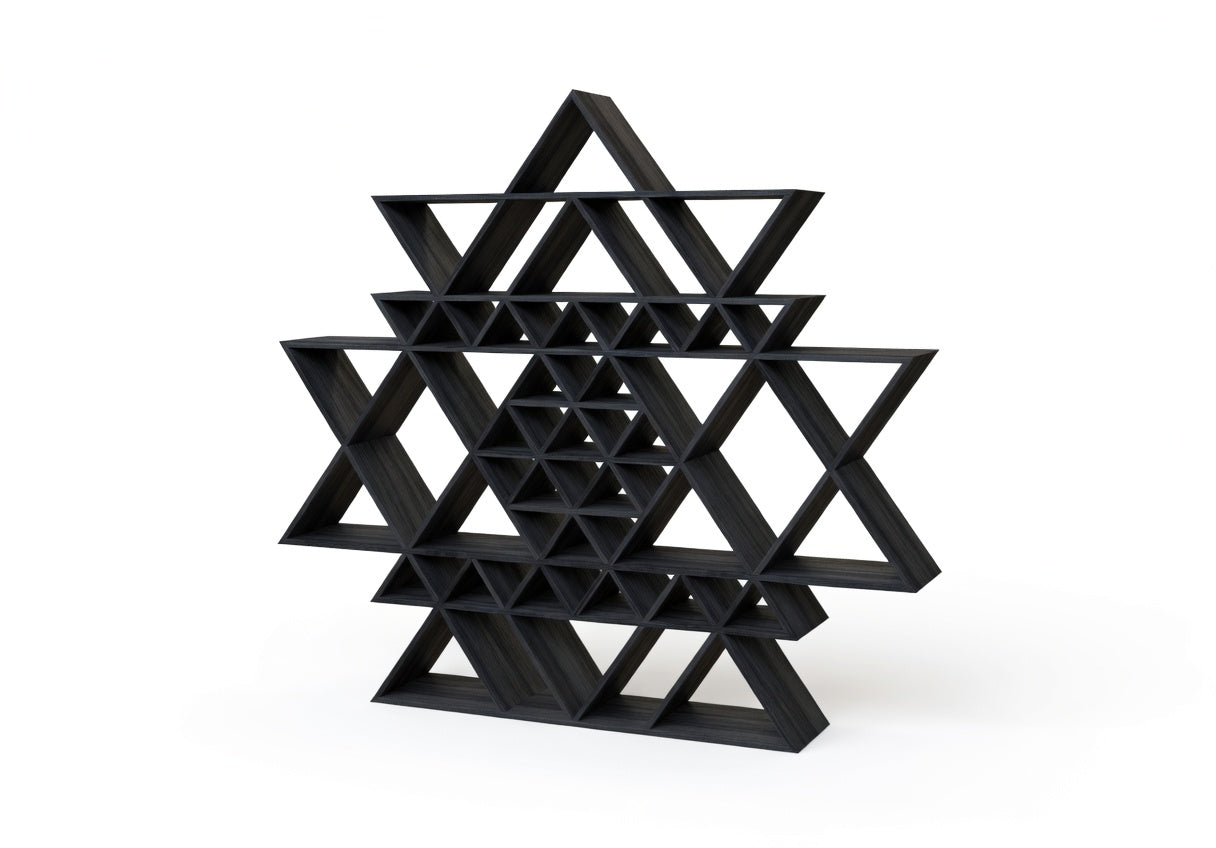
Sacred geometry is simply the human attempt to understand and apply this intelligence deliberately. Not as ornament. As structure. As the invisible logic beneath the visible form.
When an object is built from this kind of thinking — when its proportions emerge from ratios that appear throughout the natural world, when its structure follows principles that living systems have been refining for hundreds of millions of years — something in the person who encounters it responds. Not because they recognise the geometry consciously. Because their body does.
This is not mysticism. It is biology. And it is the most underutilised resource in contemporary design.
The Weight of Real Materials
There is a reason I keep working with petrified wood. Not for the look of it — though the look of it is extraordinary — but for what it carries inside it. A slab of petrified wood is a tree that began its transformation into stone somewhere between fifty and three hundred million years ago. When it enters a room, it does not simply introduce an unusual surface. It introduces a temporal depth that the human nervous system registers without being instructed to.
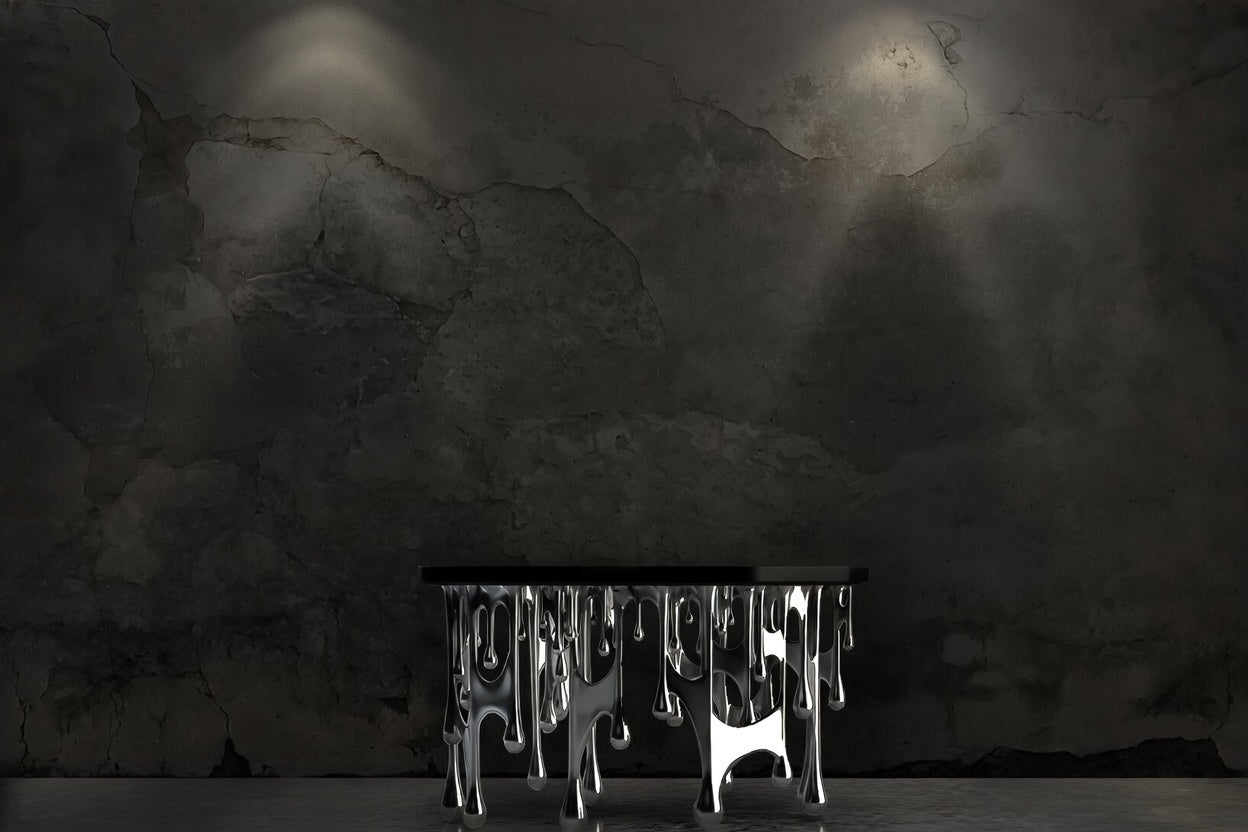
The same is true of recycled zinc cast around coral that washed ashore from a bleached reef. The casting process burns the coral away entirely, leaving its exact impression in the metal — a ghost, a fossil, a record of something that was alive and is now gone. The object that results is not interesting because it is visually striking. It is interesting because it is honest. Because it carries the actual weight of the ecological moment we are living through.
These are not design decisions made for effect. They are design decisions made because the material has something true to say, and the designer's job is simply to get out of the way and let it say it.
The Imperfection That Makes It Real
The Japanese have a word — wabi-sabi — for the beauty that lives in imperfection, in the evidence of time, in the crack in the glaze and the asymmetry of the hand-thrown vessel. It is not a philosophy of lowered standards. It is a philosophy of honest standards — the recognition that perfection is a kind of lie, and that what actually moves us in an object is the evidence that it was made by human hands, from real materials, in real time.
The design world spent a long time moving in the opposite direction. Surfaces optimised to the point of sterility. Forms so resolved they left nothing for the imagination. Objects that looked extraordinary in a photograph and said nothing whatsoever to a person standing alone in a room with them.
The correction is already underway. The most serious collectors and architects I know are moving toward objects that breathe — that show the mark of the chisel, the texture of the cast, the memory of the material's own history. Objects that do not compete with human presence but enter into conversation with it.
Stillness as a Design Value
We live in a state of near-permanent overstimulation. The screen delivers an endless supply of images and provocations, each one engineered to capture attention for the shortest possible time before the next one arrives. The cumulative effect on human perception — on our capacity for sustained attention, for depth, for genuine feeling — is something the culture is only beginning to reckon with.
In this context, a design object with genuine depth is not simply a luxury. It is a form of resistance. A point of stillness in a field of noise. Something you can return to over years and find that it has more to say than it did the last time you looked — because your own capacity to see has deepened, and the object was patient enough to wait for you.
The future of collectible design belongs to objects made to be lived with over a lifetime. Not displayed. Not photographed. Lived with. Objects that accumulate meaning rather than exhaust it. That outlast the moment of their acquisition and grow into something closer to a companion, a reference point, a quiet anchor in the rooms where the most important parts of a life take place.
What It Comes Down To
A great design object is not a solved problem. It is an open question — one that continues to yield new answers as the person living with it continues to grow.
The designers who understand this, and the collectors who seek them out, are building something more significant than a market. They are building a material culture that actually deserves to survive — one that carries within it enough intelligence, enough honesty, and enough depth to mean something to whoever encounters it long after the people who made it and bought it are gone.
That is the only standard worth designing toward.

Written by John Brevard